
Hyundai’s Future in the WRC: A Step-by-Step Approach
Hyundai has embarked on a strategic path to ensure its continued involvement in the World Rally Championship (WRC) even as the 2027 regulations loom with uncertainty. The Korean manufacturer, renowned for its competitive spirit and engineering prowess, has started upgrading its Rally2 car. This move comes as a proactive step in the face of uncertain WRC regulations, which have left many manufacturers, including Hyundai, questioning their future commitment to the sport.
Uncertainty and Flexibility: Navigating the 2027 Regulations
The 2027 regulations, designed to be more affordable and flexible, aim to attract new manufacturers and teams to the WRC. Key features of these regulations include a €345,000 cost cap, a target of approximately 300 horsepower, the use of a space frame chassis, and Rally2 componentry. The regulations are crafted to ensure that WRC27-spec cars can perform on par with current Rally2 machinery. This flexibility is crucial for Hyundai, as it provides a viable alternative to developing a new, expensive Rally1 car. The ability to compete with Rally2 cars in the top class for 2027 offers the manufacturer a strategic safety net.
Hyundai’s Proactive Approach: Upgrading the Rally2 Car
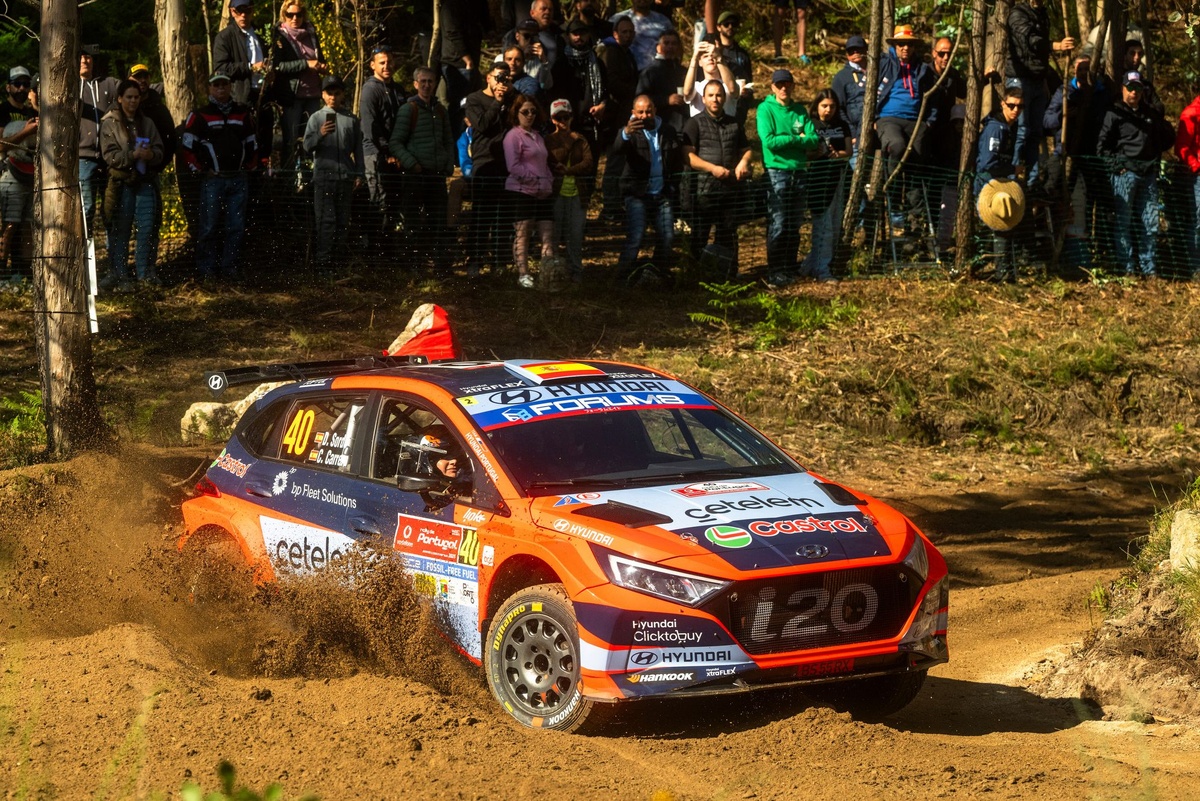
Hyundai Motorsport president Cyril Abiteboul has confirmed that the team is actively working on upgrading its Rally2 car. This initiative is driven by the need to ensure the car is as competitive as possible, both on tarmac and gravel surfaces. “We have made a step on tarmac and I think the car now is really in the mix,” Abiteboul stated. “It has done well in a number of national and regional championships, and we are doing the same step on gravel.” This upgrade project is a crucial part of Hyundai’s strategy to cover all bases and remain competitive in rallying, regardless of the final regulations for 2027.
Challenges and Concerns: The Powertrain Dilemma
Despite the progress, Hyundai is not without concerns. One of the primary issues is the powertrain requirement for the 2027 regulations. The rules mandate a production-based powertrain, which Hyundai currently lacks. Abiteboul noted, “We still do not have an engine that can qualify with the regulation, as you know it has to be a production-based powertrain – unlike the one used in Rally1. The FIA is aware of that.” This issue highlights the ongoing challenges faced by manufacturers in aligning with the new regulations, further complicating Hyundai’s decision-making process.
Exploring New Opportunities: Hayden Paddon and More
A notable development in Hyundai’s strategy is the involvement of former factory driver and two-time European rally champion Hayden Paddon. Paddon, who recently secured victory in the Australian Rally Championship with an i20 Rally2 car, will drive a Hyundai i20 N Rally2 in the Rallye National Hivernal du Devoluy in France. Abiteboul indicated that Paddon’s participation could be linked to the Rally2 upgrade program: “It can be lots of things. It can be some development work. He has been part of the family and he has been in Rally1 before and apart from that I really like his team and the programme in New Zealand and Australia.” This involvement suggests that Hyundai is exploring various options, including the potential return of experienced drivers like Paddon.
Preparing for 2026: A Focus on Experience
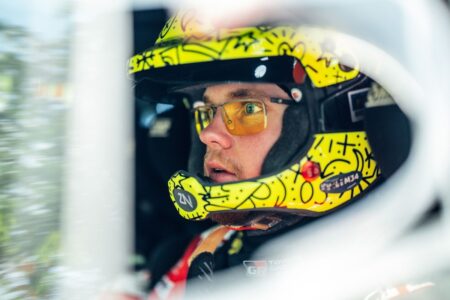
Looking ahead to 2026, Hyundai is also addressing a vacancy in its Rally1 team following Ott Tanak’s decision to take a sabbatical. The manufacturer is considering drivers with top-level experience, with former Hyundai drivers Dani Sordo and Esapekka Lappi among the frontrunners for the third car. “We want someone with the experience to help us navigate the upcoming season,” Abiteboul explained. The team is expected to make an announcement regarding the 2026 driver lineup soon, underscoring Hyundai’s commitment to maintaining a competitive edge in the WRC.
Conclusion: A Balanced and Thoughtful Strategy
Hyundai’s approach to the 2027 WRC regulations is characterized by a balanced and thoughtful strategy. While the future remains uncertain, the manufacturer is taking proactive steps to ensure it remains a formidable force in rallying. By upgrading its Rally2 car and exploring various options, including the potential return of experienced drivers, Hyundai is positioning itself to adapt and thrive in the ever-evolving world of motorsport.