
Concerns Over 2026 Tyres
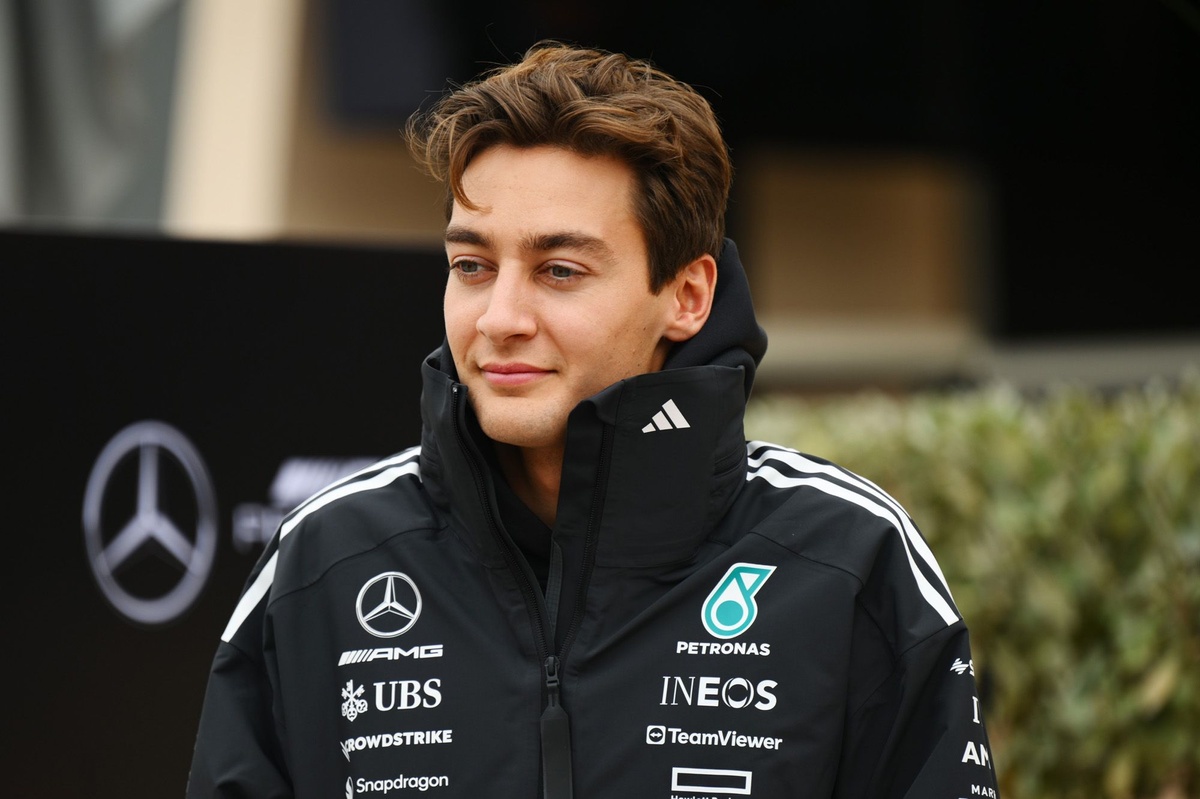
Mercedes driver George Russell has expressed deep concerns about the potential reduction in the quality of Pirelli tyres when the new Formula 1 regulations come into effect in 2026. The championship is set to overhaul its technical rules, which include introducing tyres that are narrower — by 25mm at the front and 30mm at the rear — compared to the current ones. This change is aimed at reducing drag levels, a move that was initially proposed by the FIA to switch from 18-inch tyres to 16-inch, but Pirelli opposed it for both practical and marketing reasons. Russell, a three-time grand prix winner, participated in a tyre test at Jerez in February and found the experience challenging. "That [the test] was a bit of a challenge compared to the wider tyres we have today," he said during the 2025 pre-season testing in Bahrain. "It was quite a step worse with the new tyres. That is naturally the case, because they’re just much more narrow. So hopefully they will be improved over the upcoming months."
The Role of Mule Cars in Testing
Several drivers from teams like McLaren and Ferrari have also undertaken Pirelli tyre testing for 2026 in Barcelona. However, the most valuable data has come from simulators. This is primarily because there are currently no cars that fully represent the 2026 rules for Pirelli to test with. Instead, the company has been using mule cars, which are modified versions of current Formula 1 cars. These mule machines feature narrower wings to simulate the aerodynamic loads of the new tyres, but they are not entirely representative of the upcoming regulations. Despite this, Pirelli’s motorsport chief Mario Isola is confident that the continuous feedback loop between the teams and the tyre manufacturer will help refine the new tyres. "We cannot just rely on the mule cars because it won’t be sensible," Isola explained. "We will continue to provide them a virtual model of the tyre to use in their simulators and they come back to us with their feedback. And this is the right direction we should continue in."
The Impact on Performance and Safety
Russell’s concern about the narrower tyres is not unfounded. The reduced width can significantly impact the car’s performance and driver confidence. Narrower tyres generally provide less grip and can make the cars more difficult to handle, especially during high-speed cornering and braking. This could lead to a less engaging and potentially less safe racing environment. While Pirelli is committed to improving the tyres, the transition period is crucial, and any shortcomings could have far-reaching consequences. The feedback from drivers during the test sessions and the simulations will play a vital role in ensuring the tyres meet the high standards expected in Formula 1.
Balancing Innovation and Tradition
The move to narrower tyres represents a significant shift in Formula 1’s technical landscape. The sport has always balanced a commitment to innovation with the preservation of its traditional high standards. The introduction of 18-inch tyres in recent years was a step towards improving the durability and performance of the tyres, but the 2026 regulations are a step back in terms of width. This change is driven by the desire to reduce drag and improve fuel efficiency, aligning with the sport’s broader goals of sustainability. However, the challenge lies in ensuring that these new tyres maintain the level of performance and safety that Formula 1 is known for. Pirelli and the FIA must work closely with the teams to find a solution that satisfies both the technical requirements and the drivers’ needs.
The Simulator’s Importance
The simulator plays a pivotal role in the development of the 2026 tyres. Since there are no cars that fully comply with the new regulations, teams and Pirelli have to rely heavily on virtual testing to gather data. The simulator allows for detailed and precise testing of various tyre configurations and can simulate a wide range of track conditions. This virtual testing is crucial for understanding how the new tyres will perform under different loads and stress scenarios. However, it is not a perfect substitute for real-world testing, and the feedback from drivers who have tested the tyres on mule cars will be invaluable in making the necessary adjustments. The simulator’s ability to provide continuous feedback and data points is essential for the iterative process of tyre development.
Looking Ahead to 2026
As the 2026 season approaches, the collaboration between Pirelli, the FIA, and the teams will be more critical than ever. The goal is to ensure that the new regulations, including the narrower tyres, enhance the racing experience without compromising safety or performance. Russell’s optimism for the new regulations is tempered by his genuine concern about the tyres. His feedback, along with that of other drivers, will be a key factor in the ongoing development process. Pirelli’s commitment to continuous improvement and the use of advanced simulation technology offer hope that the new tyres will meet the high standards of Formula 1. The upcoming months will be crucial in refining the tyres, and the sport’s stakeholders must remain vigilant to address any issues before they impact the racing in 2026.