
Carlos Sainz Criticizes FIA’s Clampdown on Swearing
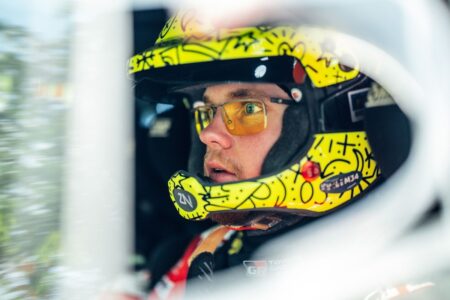
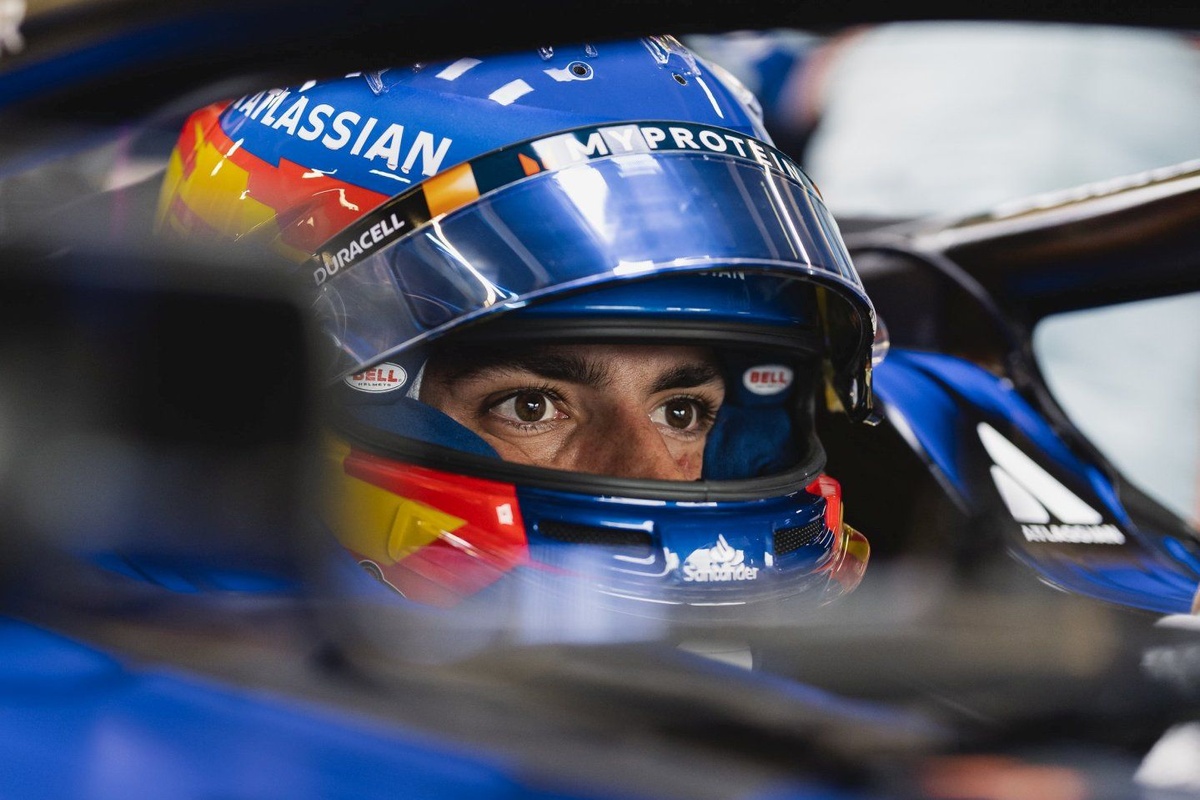
Williams driver Carlos Sainz has expressed his dissatisfaction with the FIA’s recent decision to impose stricter penalties on swearing in Formula 1. Last month, the governing body of motorsport updated its Sporting Code to include harsher guidelines for violations, ranging from fines of up to €120,000 to points deductions and even race bans. This move comes after WRC driver Adrien Fourmaux was fined €10,000 and given a suspended fine of €20,000 for using "inappropriate language" during a television interview at Rally Sweden. Fourmaux’s comments, which included the phrase "f*cked up yesterday," were deemed offensive, despite not being directed at anyone specifically.
Sainz’s Perspective on Media Conduct
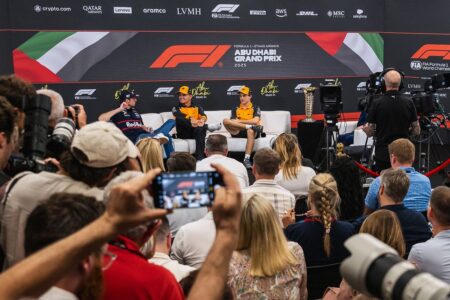
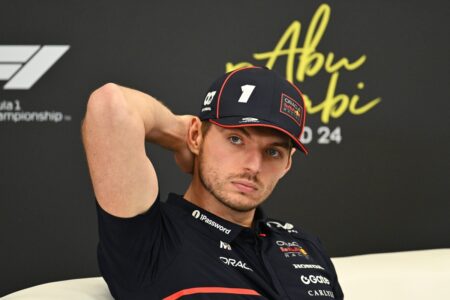
Sainz acknowledges the importance of maintaining a professional demeanor during press conferences and media appearances, especially considering the significant audience that includes young viewers. "F1 drivers should be controlled enough during press conferences and media appearances not to swear, and I am in favor of making an effort as a group to have good behavior and decent vocabulary," he stated. "It’s not very difficult to speak well in front of microphones and the media." However, Sainz believes that fines and strict controls may not be necessary for these situations, as drivers are generally aware of the need to conduct themselves with propriety.
The Adrenaline of In-Car Communication
While Sainz supports professional behavior in media settings, he strongly urges the FIA to differentiate between those and the high-pressure environment inside the car during races. "At the same time, do I think this is too much for radio communication and the adrenaline and the pressure that we have inside the car? Yes, I think it’s too much what the FIA is trying to achieve with bans and everything," he said. For Sainz, the raw emotion and passion that drivers express over the radio are crucial elements of what makes Formula 1 so engaging and authentic. "For me, that’s a fundamental part of the sport, where you get to see the real emotion, real pressure, and the real excitement on the voice, even sometimes, unfortunately, a vocabulary of a racing driver."
The Impact on Viewer Experience
Sainz worries that clamping down too hard on in-car radio communications could rob fans of a deeper connection to the sport. "It’s good to have those kinds of moments, because you see the real driver. We are already very constrained as to what we can tell you about our teams, about our situations. We already have a lot of media briefings. They already tell us what to say," he explained. The driver believes that the authenticity and unfiltered reactions during in-car communications provide fans with a genuine glimpse into the challenges and emotions of racing, which is something that should be preserved. "Sometimes I’m not easy on the radio, but when you hear that passion, when you hear those words, even if sometimes we swear on the radio, for me that’s a keeper in F1, and that shouldn’t be something we should get rid of."
Comparing F1 to Other Sports
Sainz drew a parallel between Formula 1 and other sports, such as football, to illustrate his point. "Trust me, you don’t want to put a microphone inside a football pitch and see what [players] are saying, which is an equivalent situation," he noted. In many other sports, the emotions and language of athletes during the heat of the action are left relatively unfiltered, and Sainz argues that F1 should follow a similar approach. The candid and sometimes raw interactions between drivers and their teams over the radio provide a unique and relatable aspect of the sport, enhancing its appeal and making it more human for the audience.
Future of Live Team Radio
FIA president Mohammed Ben Sulayem has hinted at the possibility of shutting down live team radio if the swearing continues, a move that Sainz strongly opposes. "And as long as it’s not offensive words towards anyone and it’s just a swear word, where you just can see I’m being emotional, I don’t think that should be too controlled," he said. Sainz believes that the current system of delayed broadcasts, which allows for editing out offensive language, is a reasonable compromise. He emphasizes that the true character of the drivers and the sport should not be lost in the pursuit of absolute decorum. The driver’s comments reflect a broader sentiment among F1 enthusiasts that the sport should maintain its realness and not become overly sanitized.
Conclusion
Carlos Sainz’s critique highlights a critical balance that the FIA must strike between maintaining a professional image and preserving the authentic, emotionally charged moments that make Formula 1 so engaging. While it’s important for drivers to be mindful of their language in public settings, the intensity and passion of in-car radio communications should be protected to keep the sport relatable and exciting for fans. The driver’s stance resonates with many who believe that Formula 1 should remain a space where the raw human experience of high-stakes racing can be shared.