
The V10 Proposal: A Nostalgic Tug or a Strategic Move?
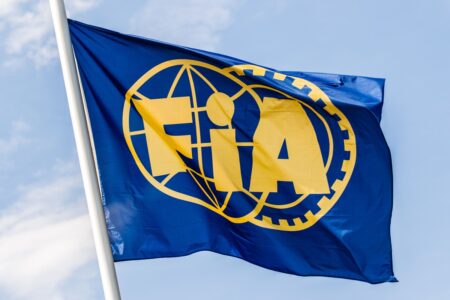
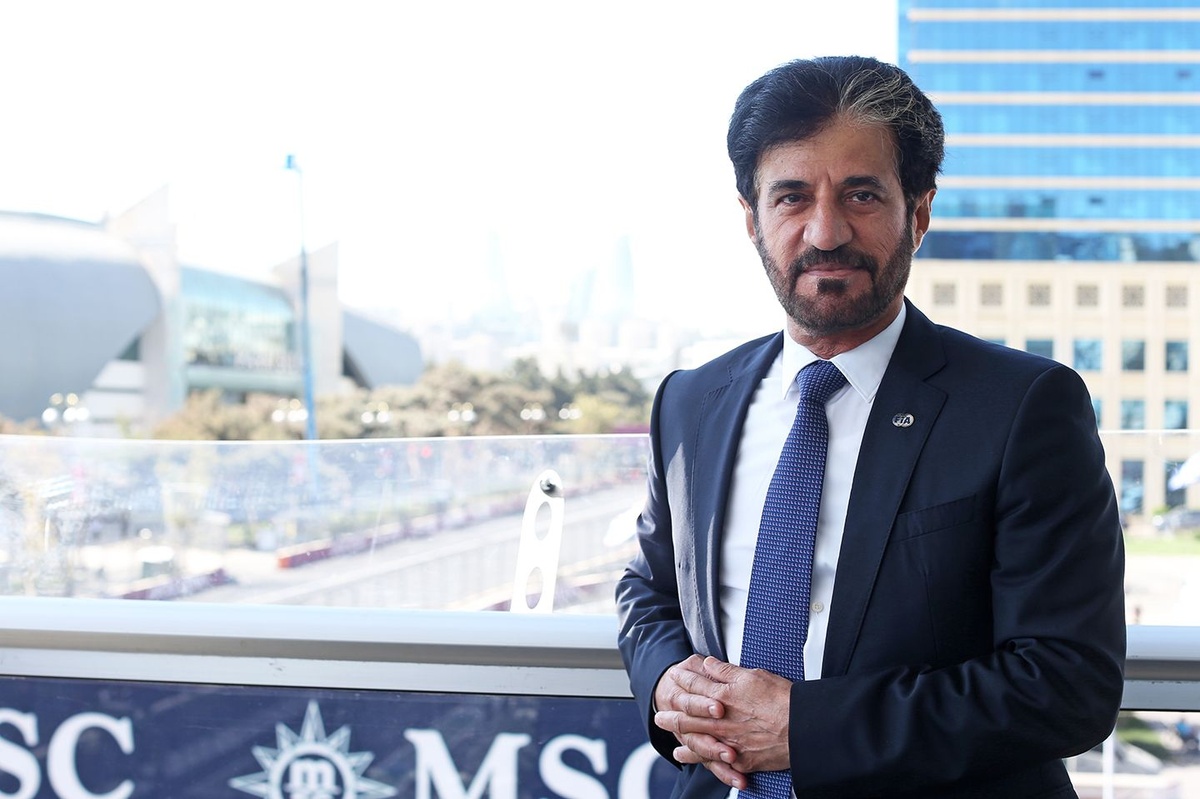
FIA President Mohammed Ben Sulayem has sparked a heated debate with his suggestion that Formula 1 should consider a return to V10 engines running on sustainable fuels. This idea, while appealing to the nostalgic sensibilities of many fans, raises several critical questions about its feasibility and the broader implications for the sport. The timing of Ben Sulayem’s statement, following the F175 launch event at London’s O2 Arena, where the FIA logo was met with boos, suggests a strategic move to reconnect with a disgruntled fan base. However, the proposal is more than just a populist gesture; it has the potential to benefit F1 in multiple ways.
The Nostalgic Appeal andfan Sentiment
The V10 engine is often associated with a golden era of Formula 1, characterized by the intense roar and the thrill of competitive racing. This era, marked by larger bars, Take That as a five-piece, and more relaxed health and safety regulations, is often romanticized. The idea of bringing back the V10, with its distinctive sound, is a powerful emotional draw. However, nostalgia alone is not enough to justify a significant rule change in a sport that is constantly evolving to meet modern standards. The question remains: Is the V10 a practical solution, or is it merely a nostalgic throwback?
The Technical and Environmental Feasibility
The environmental aspect of the proposal is a critical consideration. Formula 1 is committed to reducing its carbon footprint and is transitioning to fully synthetic fuels in the next few years. The idea of running V10s on sustainable fuels aligns with this goal. If these fuels can be produced at scale and at a reasonable cost, then the technical challenge of building new V10 engines is not insurmountable. However, the road car industry is firmly on the path to electrification, and it would be a significant pivot for any manufacturer to return to internal combustion engines (ICEs). This raises the question of who would build and support these engines. One potential solution is to rely on specialist engine builders like Cosworth, which could produce bespoke ICEs that carry whatever brand badge.
The Racing Experience and Spectator Engagement
For fans, the return to V10s offers the promise of a more thrilling racing experience. Smaller, lighter cars that can race closely and flat-out on the world’s racetracks would undoubtedly enhance the spectacle. The current hybrid power units, while advanced, have been criticized for their weight and complexity, which can detract from the racing. The V10 engines, combined with more nimble car designs, could bring back the excitement of close, wheel-to-wheel racing. However, this would require careful attention to tire degradation and other factors that currently influence overtaking. If done right, the V10 proposal has the potential to significantly improve the racing experience and spectator engagement.
The Role of Manufacturers and Innovation
The manufacturers’ current focus on electrification presents a significant challenge to the V10 proposal. Big businesses are often hesitant to deviate from established strategies, especially in an industry as competitive as Formula 1. However, there is an argument to be made for F1 leading the way in sustainable fuel technology. By embracing and improving sustainable fuels, F1 could play a crucial role in advancing this technology, which has the potential to benefit the broader automotive industry and the environment. This role could also help F1 maintain its relevance and appeal in an increasingly eco-conscious world.
The Broader Implications and Future Direction
The V10 proposal is likely to continue to be a topic of discussion as the new fuels are introduced and the 2026 rule changes take effect. Oil companies backing F1 teams are already exploring the potential competitive and PR advantages of sustainable fuels. This could create a powerful incentive for the sport to lean into the V10 idea. Moreover, the support of current and former drivers, who are eager for lighter, more responsive cars, could further bolster the case for a return to V10s. While the proposal is not without challenges, it offers a compelling vision for the future of Formula 1 that could satisfy both fans and manufacturers, provided it is approached with a strategic and forward-thinking mindset.
Conclusion: A Balanced Approach to Innovation
In conclusion, while Mohammed Ben Sulayem’s proposal to return to V10 engines running on sustainable fuels is a bold and nostalgic idea, it is not just a populist gesture. It has the potential to enhance the racing experience, advance sustainable technology, and reconnect with a passionate fan base. However, it requires careful consideration of the technical, environmental, and commercial challenges. F1 has the opportunity to have its cake and eat it too, by embracing innovation while preserving the elements that make the sport thrilling. If approached thoughtfully, the V10 proposal could be a win-win for all stakeholders in Formula 1.