
The Pit Boost Debut: A Cautionary Tale
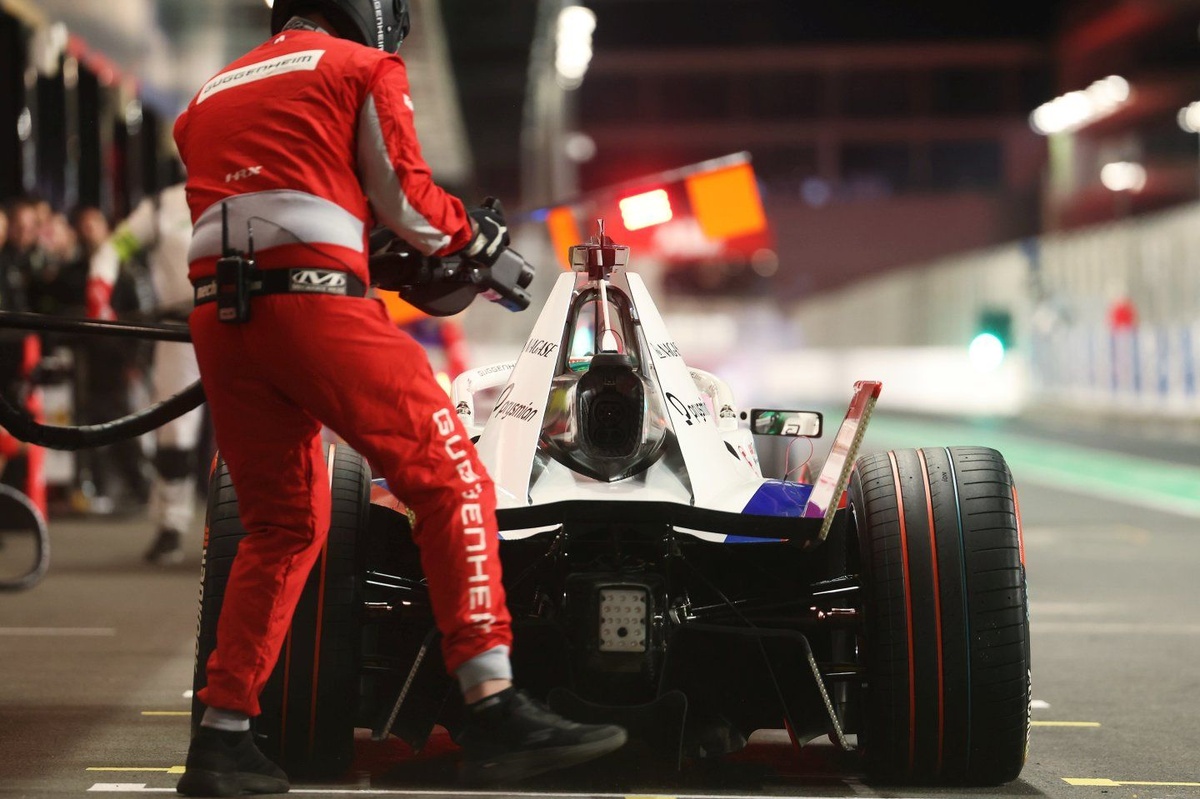
“It could be an absolute s***show” was a phrase that echoed more than once through the Jeddah Corniche Circuit’s paddock last weekend. The apprehension wasn’t solely due to the addition of chicanes to the circuit but more significantly, the inaugural implementation of the Pit Boost. After more than two years of development and countless tests, this innovative technology finally made its debut in the Formula E championship during the opening 31-lap contest in Saudi Arabia. Each driver had to make a mandatory pit stop where a 10% battery recharge was administered via a booster inserted into the rear of the car, taking approximately 34 seconds. In an era where Formula 1 pit stops are completed in under two seconds, the extended pit stop duration was a significant concern. However, the bigger worry was the potential for technical failures or ill-timed cautions that could disrupt the race.
Initial Concerns and Apprehension
The concerns over Pit Boost were palpable right up to its debut. Despite Formula E organizers and the FIA expressing confidence in the technology’s robustness, rumors persisted that some booster charges had failed during practice sessions. This uncertainty added to the unease among teams and drivers, who were already wary of losing valuable points in one of the most competitive championships in motorsport. Cupra Kiro’s Dan Ticktum was particularly vocal about his reservations, emphasizing the potential for the technology to "screw over" his races. "The fact you can charge a battery that fast and it doesn’t catch fire, it’s very important technology for the electric consumer market so I think on that basis it’s great, but I’m not f***ing interested if it’s going to screw my races over," he said.
Technical Performance and Reliability
Despite the initial apprehensions, the Pit Boost technology proved to be reliable during the race. No major issues were reported, and the only incident of note was a full car reset for Dan Ticktum, which was related to a battery problem during his stop. The absence of a full course yellow or safety car during the pit sequence was a small but significant relief, as these would have dramatically altered the race order. Long-time leader Oliver Rowland maintained his position after pitting from the front, while eventual winner Maximilian Guenther dropped to eighth after pitting from second. The Pit Boost ultimately set the stage for a thrilling last-lap, final corner overtake between Guenther and Rowland, which helped to silence some of the critics, at least temporarily.
Race Dynamics and Spectator Experience
The debut of Pit Boost added yet another layer of complexity to Formula E races, which are already known for their intricate energy management and strategic maneuvers. The introduction of Pit Boost compounded the difficulty of following the proceedings, even with the addition of new graphics to help spectators keep track of the order. Drivers intentionally drop back to save energy, move offline before surging back through the field, and activate Attack Mode, all of which make the races challenging to follow. The Pit Boost further complicated this by requiring a mandatory stop, though the race managed to avoid the peloton style of racing that has often plagued the championship since the start of the Gen3 era in 2023. The 31-lap distance and the higher energy usage in the opener contributed to a more engaging race, but it remains to be seen whether future Pit Boost races will be extended to compensate for the extra power.
Future Prospects and Challenges
The debut of Pit Boost in Jeddah went about as well as could be hoped, and those advocating for the technology will likely feel vindicated. However, with five more races featuring Pit Boost this season, the full impact it will have on the championship is yet to unfold. The technology is set to feature at all double-header events, including Monaco, Tokyo, Shanghai, Berlin, and London. While the initial race was a success, the challenges of integrating Pit Boost into the race dynamics and ensuring smooth operation in various conditions will continue to be closely monitored. New championship leader Oliver Rowland acknowledged the potential for hiccups, especially when full course yellows and safety cars come into play. "I think we’re going to have a few hiccups along the way when full course yellows and safety cars come out," he admitted.
Conclusion: A Promising Start with Caution
The debut of Pit Boost in Jeddah was a promising start, but it also highlighted the need for careful management and continuous improvement. The technology’s reliability and the thrilling finale of the race helped to ease some of the initial doubts. However, the challenges of integrating Pit Boost into the already complex dynamics of Formula E remain significant. As the season progresses, the full impact of Pit Boost on the championship will become clearer, and the lessons learned from its debut will be crucial for its future development. For now, the technology has shown its potential, but the road ahead is still being paved with caution and innovation.