
Rally Championship Drivers Unite Against FIA Swearing Sanctions
For the World Rally Championship (WRC) drivers and co-drivers to unite against the FIA’s decision to impose sanctions for swearing is an extraordinary move, but also a logical next step in the evolution of the sport. The World Rally Drivers Alliance (WoRDA) has issued a lengthy statement strongly opposing the governing body’s move to penalize drivers for “minor, isolated and unintentional language lapses” — a decision it deems “unacceptable.” The reaction from the WRC community, particularly from the service park and fans, has been overwhelmingly negative, as highlighted by the recent incident involving Adrien Fourmaux during Rally Sweden.
The Spark: Fourmaux’s Penalty
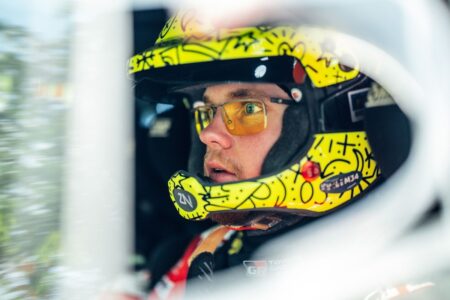
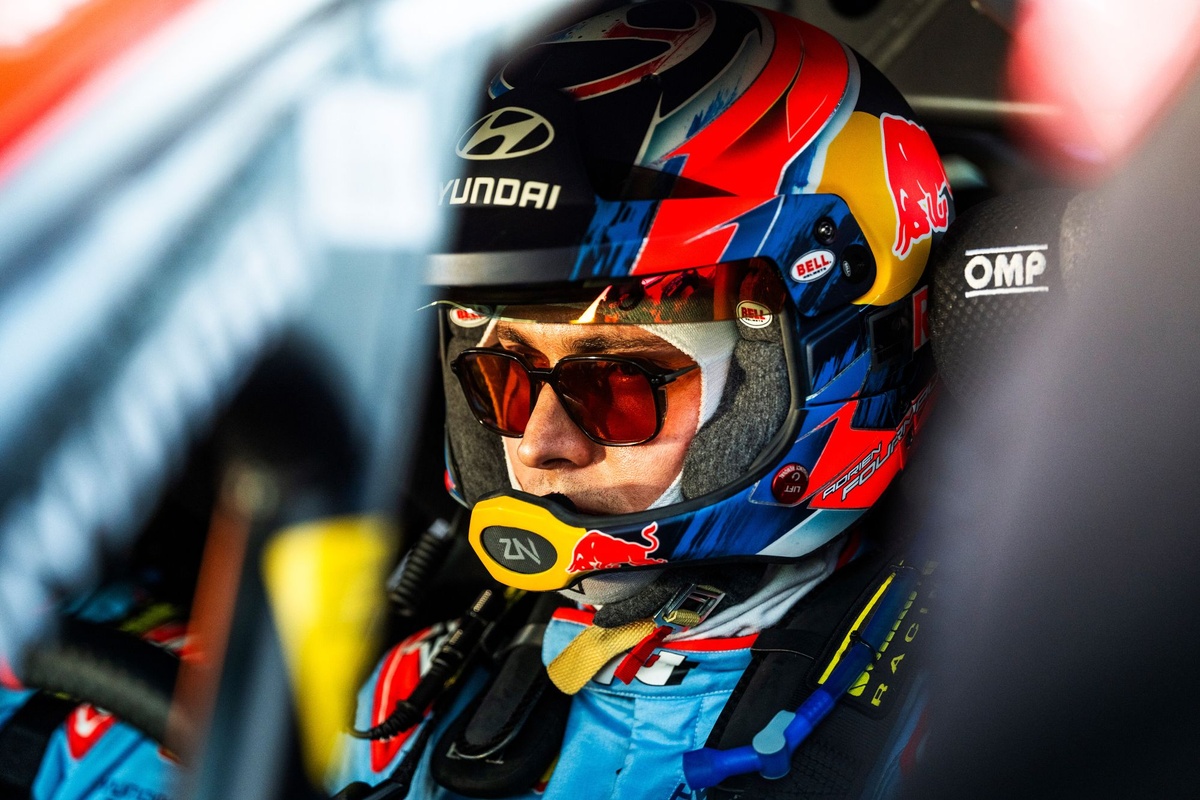
Hyundai’s Adrien Fourmaux became the first driver to be penalized under the FIA’s new rules, receiving a €10,000 fine and a suspended €20,000 fine for swearing during a television interview at the conclusion of Rally Sweden. The incident occurred seconds after he crossed the finish line, a moment when adrenaline is still surging. The phrase was directed at himself for an error in not having his helmet fastened properly, which cost him valuable time. The public reaction, especially from fans, indicated that the comment was not deemed offensive. This situation highlights the need for a common sense approach in the implementation of such rules, one that avoids unnecessary and excessive fines.
Understanding the FIA’s Perspective
From the FIA’s point of view, the aim to clean up the language used by drivers is understandable. Drivers are role models to the next generation, and the FIA wants to ensure that they set a good example. The logic behind clamping down on language directed at officials is also clear; in other sports, such as football and rugby, dissent towards officials is penalized. In football, a player is shown a yellow card for dissent, while in rugby, only the captain is allowed to speak to the referee to discuss decisions. In the age of social media, where online abuse is reaching dangerous levels, action is indeed necessary. However, the appropriateness and fairness of the action are what need to be carefully considered.
Unique Challenges of Rallying
Rallying faces unique challenges that differentiate it from other motorsport disciplines. Drivers and co-drivers are subjected to some of the wildest conditions in a sport that is arguably the most dangerous of four-wheeled motorsports. Immediately after a stage, they are often required to conduct interviews while their adrenaline is still running high. These on-the-spot interviews are a fan-favorite and one of the unique selling points of rallying. To equate this to Formula 1, it would be like making a driver stop the car immediately after crossing the finish line and then conducting an interview without the cooldown lap that allows them to collect their thoughts. The immediate and intense nature of these interactions can lead to unfiltered, emotionally charged comments.
The FIA’s Financial Reinvestment
The subject of what happens to the fines the FIA receives through such sanctions has been raised. The FIA is a non-profit organization and has confirmed to Autosport that the funds from fines are reinvested into various areas. In 2024, the FIA invested over €10.3 million into grassroots activities globally, delivering 70 motorsport safety research projects with a budget of €3.8 million. Additionally, €1.3 million was invested into 300,000 volunteers and officials, and 13,500 individual courses were completed via the FIA University last year. Despite this, the allocation of fines does not address the core issue of whether the sanctions themselves are appropriate or necessary.
The Need for Compromise
The success of Formula 1, largely attributed to Netflix’s "Drive to Survive" series, which features a raw and unfiltered version of the sport with plenty of swearing, has left other motorsport categories desperate to replicate the model. The series has brought unprecedented popularity to F1, demonstrating that authentic, humanized content resonates with a broader audience. While it is true that the swearing in "Drive to Survive" does not come from the FIA, the series has shown that allowing drivers to be themselves can have a positive impact on the sport’s growth and fan engagement. The FIA, which seeks to promote and grow motorsport, must find a balance between maintaining a professional image and allowing the natural, passionate reactions of drivers to shine through. The actions of the WRC drivers through the WoRDA statement are valid and deserve a clear and mutually agreeable solution from the FIA.