
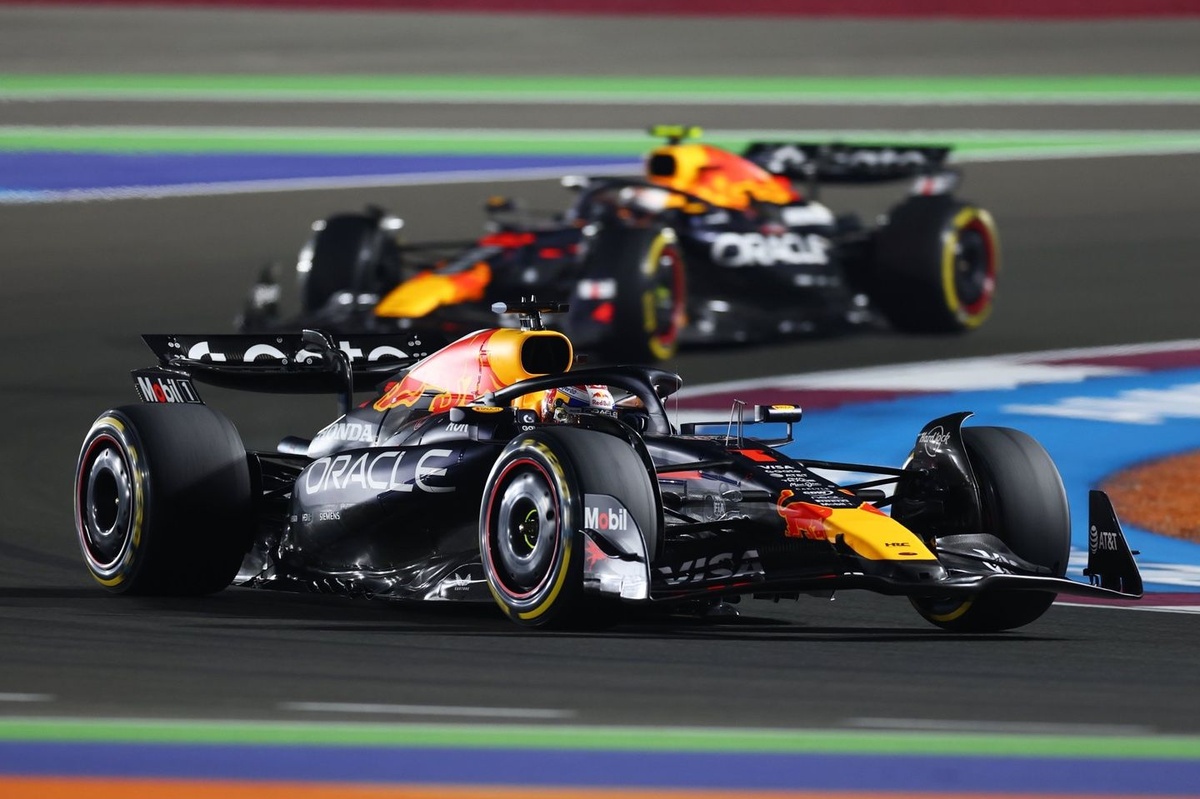
Deja Vu for Red Bull
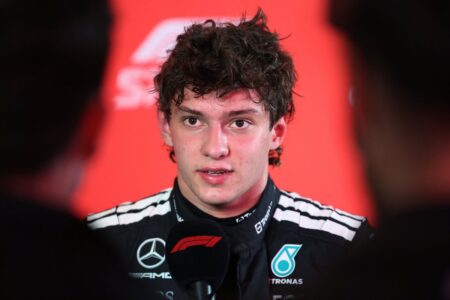
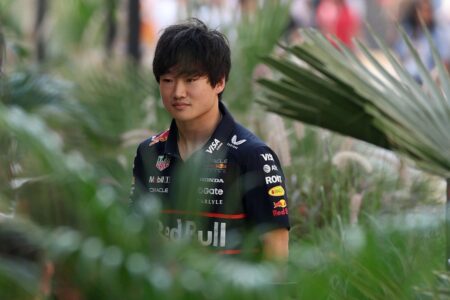
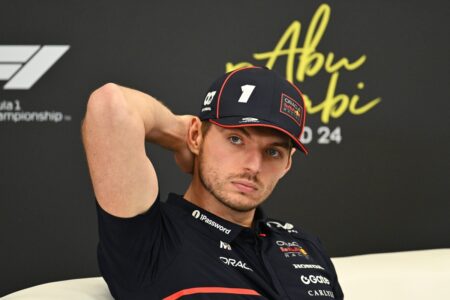
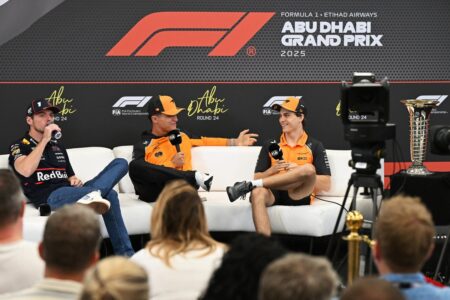
Red Bull has announced a significant driver shake-up for the 2026 Formula 1 season, with Isack Hadjar replacing Yuki Tsunoda at the senior team. This decision is reminiscent of previous years when Red Bull has cycled through drivers with varying degrees of success. Hadjar, who has had an impressive rookie season with Racing Bulls, including a podium at Zandvoort, is a promising talent. However, the question remains whether he is fully ready for the pressure and expectations of driving for one of the top teams. Unlike the junior team, where strong performances are highlighted, the senior team demands consistent excellence, and the lows are more visible. Hadjar’s promotion follows a pattern of Red Bull promoting drivers not because of overwhelming performances but because they are next in line. This has not always worked out well, as seen with Daniil Kvyat, Pierre Gasly, Alex Albon, and Liam Lawson. While Tsunoda’s performance has dropped since joining Red Bull, the early promotion of Hadjar could be another risky move, especially considering the high stakes at the top team.
The Switch Makes Sense
Despite Yuki Tsunoda’s struggles, the decision to replace him with Isack Hadjar is not entirely surprising. Tsunoda has only managed 30 points this season, a stark contrast to his teammate Max Verstappen’s dominant performance. Red Bull’s RB21 has been a challenging car to handle, and Tsunoda’s difficulties are part of a pattern where the second driver at Red Bull often struggles. On the other hand, Hadjar’s performances with Racing Bulls, particularly his podium at Zandvoort, have been hard to ignore. Hadjar, entering his second F1 season, has more room to grow and improve, unlike Tsunoda, who has already spent five years in the sport. Racing Bulls’ role is to groom drivers for Red Bull, and keeping Tsunoda would not align with this goal. Liam Lawson has also shown promise in the second half of the season, making the decision to retain him logical. Arvid Lindblad, the 18-year-old British talent, is the next in line and highly rated by Red Bull, though his transition to F1 will be challenging. Red Bull’s strategy is to give young talents a chance to mature and adapt, which is crucial for their long-term success.
Is it Too Early for Lindblad?
While Isack Hadjar’s promotion to Red Bull is a bold move, the decision to place Arvid Lindblad in the Racing Bulls seat is even more contentious. Lindblad, at 18, is a highly rated talent, but his performance in Formula 2 has been inconsistent. Campos Racing, the team he currently drives for, did well with Isack Hadjar last year, suggesting it’s not the team’s fault. However, compared to other rookies and the champion Leonardo Fornaroli, Lindblad has not stood out. A second season in F2 could provide him with the necessary experience and refinement to better prepare for F1. Red Bull’s track record with early promotions is mixed, and the pressure of the second seat at Red Bull is immense. While Lindblad shows potential, it might be wiser to give him more time to develop in a less pressurized environment. Red Bull, known for its aggressive driver development, has decided to take the risk, hoping Lindblad’s raw talent will shine through.
Where Does This Leave Lawson?
Liam Lawson, who was demoted to Racing Bulls at the start of the season, finds himself in a precarious position. Red Bull has a history of not giving drivers a second chance at the main team, and Lawson’s demotion in favor of Hadjar underscores this trend. Lawson has shown strong performances in the second half of the season, but the path back to Red Bull appears blocked. Given that Racing Bulls is primarily a training ground for Red Bull’s young talents, Lawson’s long-term prospects there are limited. To secure his future, Lawson might need to explore opportunities outside the Red Bull family. Teams like Alpine, where Franco Colapinto’s performance is in question, or Haas, depending on Ferrari’s plans for Oliver Bearman, could be viable options. Lawson must act early next season to secure a better position, as staying at Racing Bulls indefinitely may not serve his career ambitions.
Reflections on Red Bull’s Driver Strategy
Red Bull’s approach to driver management is both ambitious and risky. The team has a clear pipeline of young talent, but the early promotion of drivers often results in mixed outcomes. Isack Hadjar’s promotion is a bold bet on potential, while Arvid Lindblad’s move to F1 is a high-stakes gamble. Red Bull’s strategy of cycling through drivers to find the perfect fit for the second seat next to Max Verstappen has its merits but also drawbacks. The pressure and expectations at the senior team are immense, and not every driver is equipped to handle them. While Red Bull’s junior team, Racing Bulls, plays a crucial role in developing these talents, the transition to the main team is not always smooth. The team must strike a balance between nurturing young drivers and maintaining competitive performance at the highest level. Only time will tell if these decisions will pay off, but for now, the future of drivers like Hadjar, Lindblad, and Lawson hangs in the balance.
Final Thoughts
The 2026 driver lineups for both Red Bull and Racing Bulls represent a mix of potential and uncertainty. Isack Hadjar’s promotion to Red Bull is a significant step for the Frenchman, but the pressure to perform will be intense. Arvid Lindblad’s move to F1 is a bold step, and his development will be closely watched. Liam Lawson, now at Racing Bulls, faces a challenging path to a return to the main team and must explore other opportunities to secure his future. Red Bull’s driver management strategy is a double-edged sword, offering both opportunities and risks. As the new season approaches, the performance and development of these drivers will be crucial in determining the success of Red Bull’s ambitious plans.