
Introduction to the F175 Livery Launch
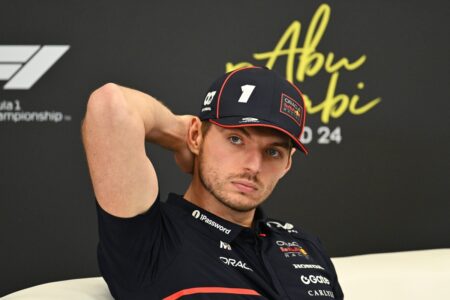
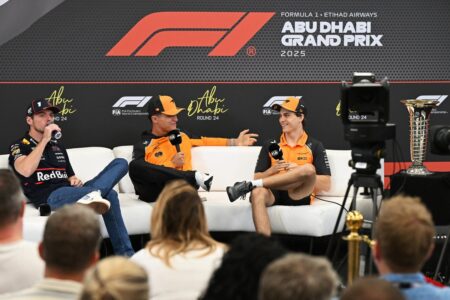
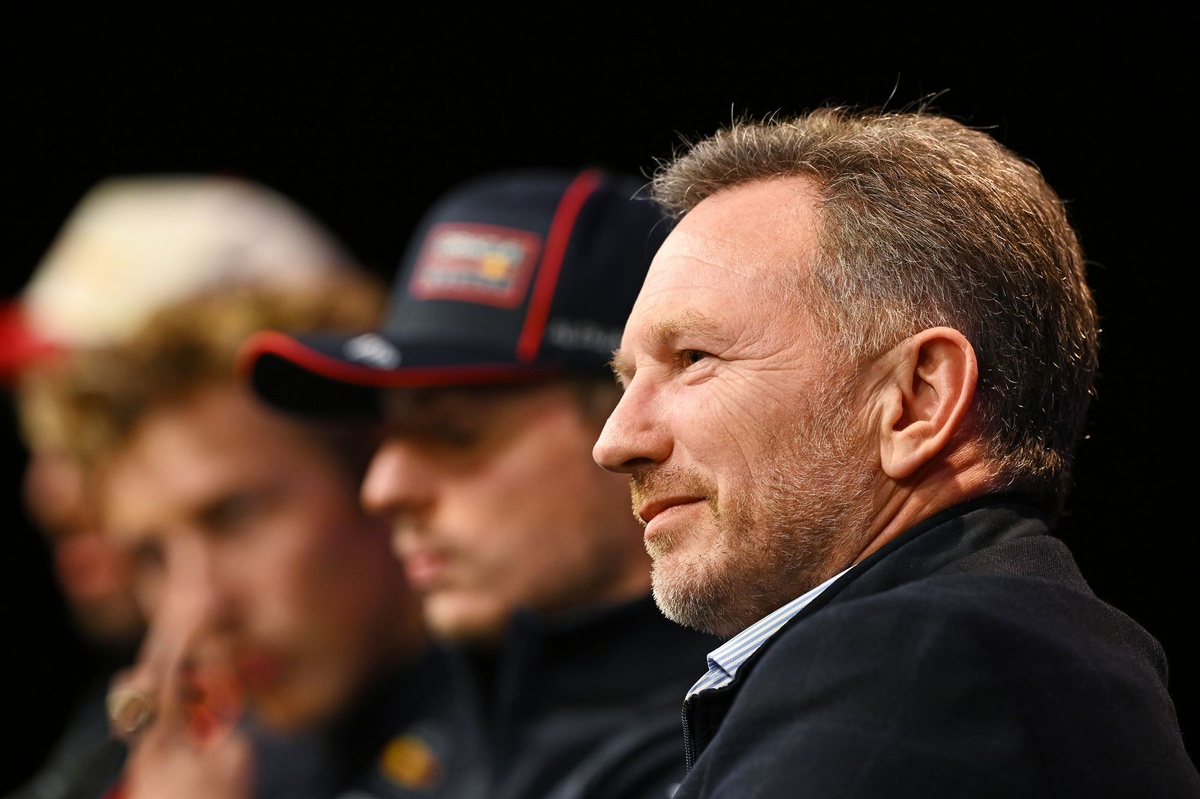
Formula 1’s first-ever livery launch, which brought together all 10 teams, transformed the O2 Arena in London into a mini-race weekend. The event included live music, interactive displays, and of course, the unveiling of each team’s car for the upcoming season. However, it also brought with it a divisive element that has long been a part of the sport: booing. Red Bull team principal Christian Horner and reigning world champion Max Verstappen, in particular, received negative reactions from the audience, as did the mention of the FIA. This sparked a heated debate about the appropriateness and the role of booing in modern F1.
The Case for Booing: An Organic Part of F1
Booing is not a new phenomenon in F1, and many argue that it is an organic and natural part of the sport. Ben Hunt, one of the event’s writers, points out that if cheering is permitted, then why not booing? In the ever-evolving landscape of F1, which now includes social media influencers, massive livery launches, and multiple races in the United States, booing stands out as one of the few elements that remain genuine and unmanufactured. The emotional outpour from fans adds to the drama and excitement of live sports, and it is a right that spectators are entitled to, given that they have paid for the experience. The passion and opinions of fans should be seen as part of the sport, rather than something to be suppressed.
The Case Against Booing: Disruptive and One-Sided
On the other hand, Jake Boxall-Legge argues that booing is not appropriate in the context of the F175 event. Unlike in football, where booing is a common and expected part of the game, booing at an F1 event can feel out of place and uncomfortable. The booing at the F175 event was particularly one-sided, with Red Bull’s Christian Horner and Max Verstappen bearing the brunt of the audience’s discontent. While Red Bull has often embraced the role of the pantomime villain, the negative reactions made the event feel less like a celebration and more like a hostile environment. Boxall-Legge suggests that booing could be more fitting in a race setting, but it was not appropriate for a promotional event like F175.
Historical Context: Booing in F1
Alex Kalinauckas provides historical context, reminding us that booing has been a part of live sports and entertainment long before F175. He cites the example of the 2016 British Grand Prix, where the home crowd booed Nico Rosberg just a week after they had booed Lewis Hamilton. Booing is a natural expression of human emotion and has been a part of sporting entertainment since ancient times. Kalinauckas argues that if drivers and team principals are going to play the role of villains, they should expect and accept the negative reactions that come with it. He also notes that the FIA, as a regulatory body, is not there to be liked and should expect to receive some level of criticism.
The Role of Fan Choice
Mark Mann-Bryans emphasizes the importance of fan choice. The tickets for the F175 event sold out within 45 minutes, with prices ranging from £58 to £113, indicating a high level of fan interest. While owning a ticket does not give fans the right to engage in personal attacks or abuse, simple jeering is a matter of personal choice. Mann-Bryans points out that Red Bull’s Christian Horner and Max Verstappen handled the reactions well, and the event remained within reasonable bounds. He argues that F1 should be pleased to see such passionate and partisan reactions from its fanbase, as it indicates a deep level of engagement.
The FIA: Regulator, Not Popularity Contest
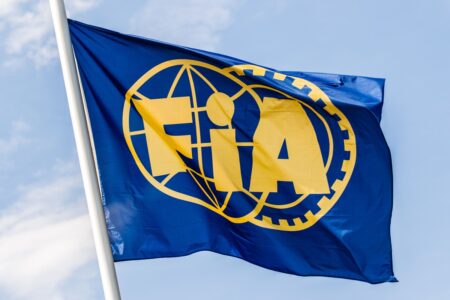
Oleg Karpov discusses the role of the FIA in the context of the booing. He draws a parallel to football, suggesting that if a public announcer were to ask for a round of applause for the referees, the response would likely be booing or silence. The FIA, as a regulatory body, is not there to be liked but to ensure the safety and fairness of the sport. While the mention of the FIA at the F175 event resulted in booing, Karpov argues that silence would have been a more appropriate and neutral response. The boos reflect the current leadership image of the FIA, particularly its president, Mohammed Ben Sulayem, but they do not necessarily indicate that the organization is failing in its duties.
Conclusion: Embracing the Passion of the Fans
In conclusion, the booing at the F175 event highlights the passionate and engaged nature of F1 fans. While some argue that booing can be disruptive and one-sided, others see it as a natural and organic part of the sport. The FIA, as a regulatory body, should expect and accept some level of criticism. Ultimately, the presence of booing and cheering alike reflects the dynamic and emotional nature of F1, which continues to evolve and captivate audiences around the world. The key is to ensure that the passion of the fans remains respectful and within reasonable bounds, allowing the sport to thrive and grow.