
The Unsung Heroes of Formula 1
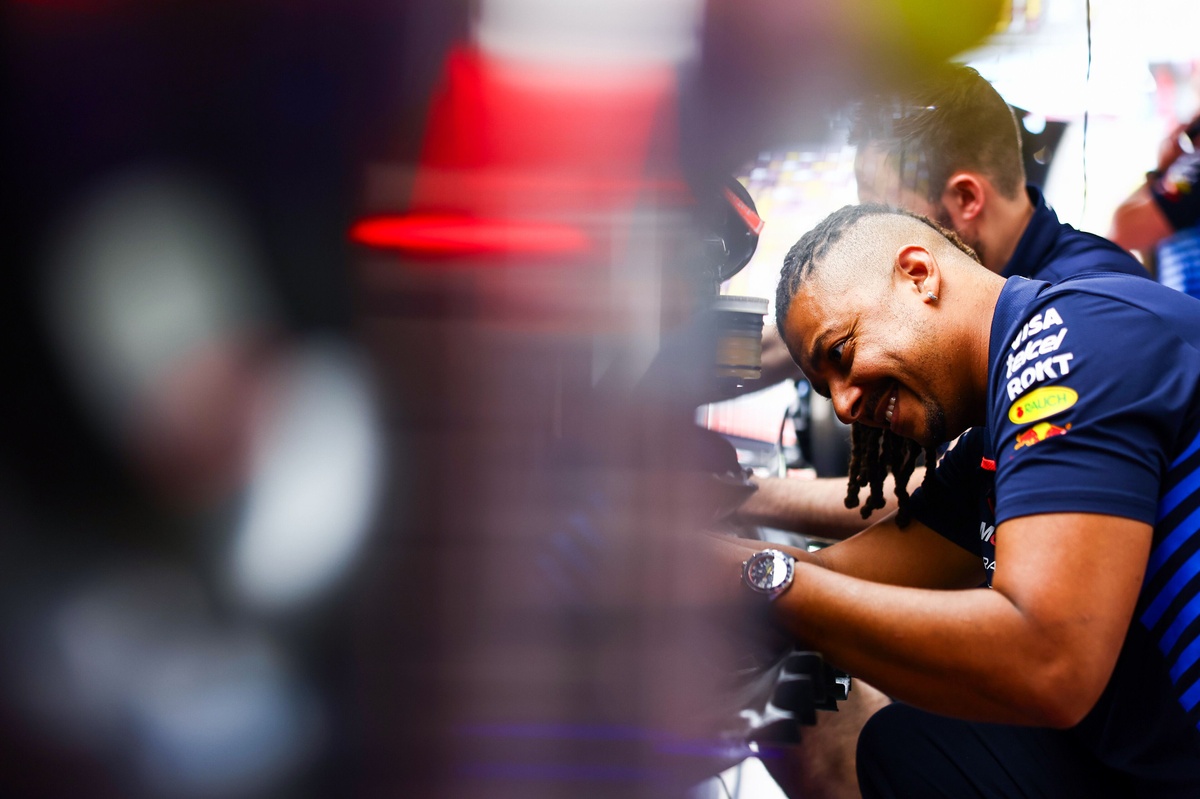
Formula 1 mechanics are often hailed as the unsung heroes of the sport, toiling behind the scenes to ensure the cars are in peak condition for every race. But what does it really take to be part of the pitlane action at the highest level of motorsport? Calum Nicholas, a Senior Power Unit Assembly Technician for Red Bull and the author of the book Life in the Pitlane, offers a candid insight into his role and the complexities of a race weekend. Nicholas is also a member of the Red Bull pitcrew, which once held the world record for the fastest pitstop at 1.82 seconds, a record only recently broken by McLaren in Qatar in 2023. His dual role as both an engine technician and a pitstop specialist showcases the multifaceted nature of the job in F1.
The Full-On Race Week
While the spotlight shines on the racers and the team on Sunday, a race weekend is actually a week-long affair that requires relentless preparation. For European races, Nicholas and his team typically fly out on Tuesday afternoons, with their first day in the garage starting on Wednesday. These mid-week days are dedicated to assembling the cars, preparing spares, conducting legality checks, and performing initial fire-ups to ensure everything is in working order. By Thursday afternoon, the team conducts their first pitstop practice, a critical final task before leaving the circuit. Nicholas describes these days as long and arduous, often stretching to 12-hour shifts.
Managing the Weekend Schedule
Fridays are a bit more relaxed, starting with pitstop practice and preparations for the first practice sessions. The gap between FP1 and FP2 is used to make any necessary engineering adjustments. However, Nicholas notes a significant improvement in the evening schedule, thanks to the introduction of curfew periods. "Friday nights used to be the worst, with work going on until 1 a.m. the next morning. Now, with the curfew, we can have a more manageable end to the day." Saturdays, generally, are the easiest day, provided there are no unexpected incidents. The early curfew allows team members to enjoy a night out, a much-needed break from the intense schedule. Sundays, however, are the most grueling, with the mechanics prepping engines for the next race, handling part returns, and preparing for the car stripping process post-race. Nicholas emphasized the administrative workload on Sundays, often spending the morning glued to his laptop to ensure everything is accounted for and ready for the following race.
The Factory Routine
With a 24-race calendar, the mechanics on the race team see very little of the factory during the season. Nicholas explained, "Once the season starts, we tend to only do one day in the factory between races. After returning from a race, we get at least six days off before heading back for a half-day of pitstop practice, meetings, and any preparatory work for the next event." The team also places a strong emphasis on functional fitness to maintain the physical prowess required for the demanding pitstop activities. This balance between factory days and race days ensures that the mechanics stay sharp and prepared for the high-stakes environment of F1.
The Importance of Soft Skills
While technical expertise is paramount for a mechanic, Nicholas highlighted the critical role of soft skills in the garage. "The ability to read and understand engineering drawings and perform technical operations are the basics, but communication, teamwork, and staying calm under pressure are just as important." The garage is a high-stress environment, and the mechanics must navigate various personalities and roles to maintain a cohesive and efficient team. Nicholas mentioned having "agony aunts" who help with emotional support and team members who can lighten the mood with a witty comment. These soft skills are essential for maintaining team morale and performance over the long and demanding race season.
The Challenges and Sacrifices
Being part of the travelling team means significant time away from home, which can be particularly challenging for mechanics with families. Nicholas shared his personal experience, noting that while he has always loved the sport, the growing demands of the race calendar have made it tough. "When I was younger, the personal sacrifices were just mine. Now, my partner and daughter have made huge sacrifices for the past six years so I can do what I love," he said. To combat professional burnout, teams like Red Bull are implementing staff rotation, allowing mechanics to take a few races off each year. Nicholas, who took time off when his daughter was born, admitted the initial reluctance to step away. However, he emphasized the long-term benefits of such rotations, ensuring that mechanics can sustain their passion and avoid exhaustion.
The Inherent Love for the Sport
Despite the challenges, many F1 mechanics, including Nicholas, remain deeply committed to their roles. "It’s not just about the money; it’s about the love for the sport. Once you experience the adrenaline and camaraderie of F1, it’s hard to walk away," Nicholas explained. He pointed out that talented engineers and technicians could easily find more lucrative opportunities outside of racing, but the allure of F1 keeps them grounded. The mechanics are aware of the sacrifices they and their families make, but the joy and excitement of being part of the world’s most prestigious motorsport make it all worthwhile. Nicholas concluded, "It’s a hard thing to stop once you realize how great it can be. Even with a grueling 24-race calendar, the passion for F1 is what keeps us going."
Life in the Pitlane by Calum Nicholas is available for pre-order, offering a deeper dive into the life and experiences of these dedicated professionals.