
Rally Drivers Unite Against FIA’s Swearing Ban
The World Rally Championship (WRC) has seen a significant stir among its drivers and co-drivers following the FIA’s recent decision to impose strict penalties for the use of inappropriate language. This move has been met with strong opposition, as evidenced by a statement issued by the World Rally Drivers Alliance (WoRDA). The controversy began when Hyundai driver Adrien Fourmaux was fined €10,000 and given a suspended €20,000 fine for using a profanity during a television interview at the conclusion of Rally Sweden earlier this month. Fourmaux’s comment, "we f***ed up yesterday," was deemed a breach of Article 12.2.1.l of the 2025 FIA International Sporting Code, which prohibits the use of "inappropriate language." This incident marks the first time a driver has been sanctioned under the FIA’s new motorsport-wide clampdown on such language.
A Familiar Echo from Formula 1
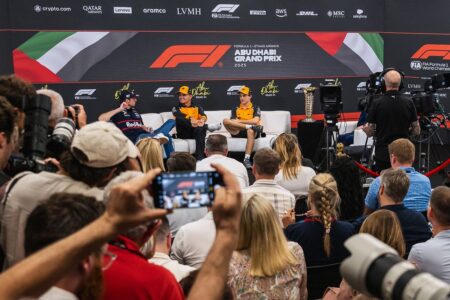
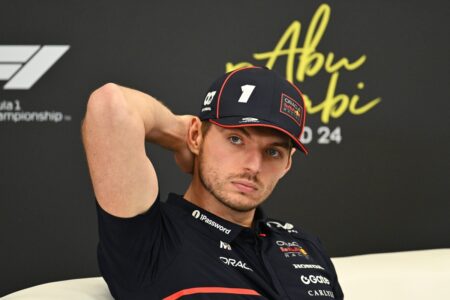
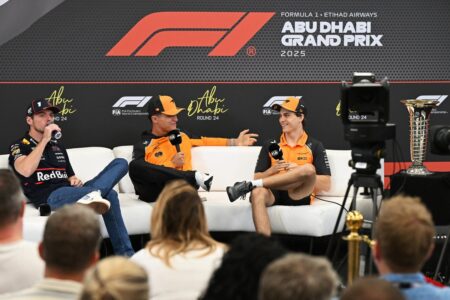
The WRC drivers’ protest is not an isolated incident. It mirrors a similar move by the Grand Prix Drivers Association (GPDA) last year, when Formula 1 world champion Max Verstappen was given a community service punishment for swearing during an FIA press conference at the Singapore Grand Prix. The GPDA’s statement at the time highlighted the need for a more balanced approach to enforcing such rules. In the WRC, the issue came to a head when eight-time world champion Sébastien Ogier and 2019 world champion Ott Tänak limited their answers in media interviews at Rally Chile last year. Ogier had previously been handed a suspended €30,000 fine for comments he directed at officials at the end of the opening stage at Acropolis Rally Greece. These incidents have galvanized the rally community to speak out against what they perceive as overly harsh and disproportionate penalties.
The WoRDA Statement: A Call for Reason
The WoRDA statement, signed by a host of WRC Rally1 drivers and co-drivers, as well as leading members from WRC2 and former co-driver turned television presenter Julien Ingrassia, acknowledges the principle that competitors must abide by the Referee’s decision. However, it strongly opposes the severity of the sanctions imposed for minor, isolated, and unintentional language lapses. The statement emphasizes that the penalties have reached an "unacceptable level" and questions the relevance and validity of imposing any sort of penalty for such lapses. The drivers argue that common colloquialisms should not be equated with genuine insults or acts of aggression, and that non-native speakers may use or repeat terms without fully understanding their connotations. Additionally, the statement points out that it is unrealistic to expect perfect emotional control immediately after an adrenaline spike, especially in a sport as extreme as rallying.
The Financial Burden and Lack of Transparency
One of the primary concerns raised by WoRDA is the financial burden of these fines. The statement notes that the exorbitant fines are "vastly disproportionate to the average income and budget in rallying." Rally drivers and co-drivers often operate on tight budgets, and such penalties can have a significant impact on their financial stability. The drivers also express concern about the public perception these excessive fines create, suggesting that they give the impression that money does not matter in the industry. This perception can be detrimental to the sport’s image and fan base. Furthermore, the statement raises a fundamental question: where does the money from these fines go? The lack of transparency surrounding this issue only amplifies concerns and undermines confidence in the system. The drivers argue that the negative impressions surrounding these penalties far outweigh the impact of any language lapse.
Rallying’s Unique Challenges
Rallying is a sport that pushes athletes to their limits in ways that few other sports do. Drivers and co-drivers navigate through dense forests, across frozen roads in the dead of night, and through the dust of treacherous gravel tracks. The intensity of the focus, the length of the days, and the high risk level for the athletes mean that all limits are reached. In such extreme conditions, it is unrealistic to expect perfect and systematic control over emotions. The WoRDA statement highlights that rally drivers and co-drivers are not only athletes but also entertainers, content creators, and constant media figures. They are expected to be available at all times, from the smartphones of spectators to the official WRC cameras, before, during, and after competition. The drivers emphasize that their role has expanded beyond just racing, and the new language rules do not take this into account.
Seeking a Constructive Solution
In light of these concerns, WoRDA is calling for direct communication and engagement between the FIA President, Mohammed Ben Sulayem, and WoRDA members to find a mutually agreeable and urgent solution. The drivers and co-drivers are committed to working constructively with all stakeholders to promote and elevate the sport. They believe that a more balanced and understanding approach to enforcing language rules is necessary to maintain the integrity and appeal of rallying. The statement concludes with a plea for transparency and a fair system that reflects the realities of the sport and the financial constraints of its participants. The signatories, including Sébastien Ogier, Kalle Rovanperä, Ott Tänak, Thierry Neuville, and many others, are united in their call for a more reasonable and fair approach to language regulation in the WRC.