
The Confusing Middle of the CFP Rankings
The muddled middle of these rankings might make mincemeat of a middling argument. During a dizzying question-and-answer session on the College Football Playoff ranking show, CFP chairman and Arkansas athletics director Hunter Yurachek was asked if the selection committee would change its top-25 rankings after the upcoming weekend’s slate of conference championship games. Yurachek’s straightforward answer was, “Following the championship games, we will re-rank the top-25 teams, and we’ll see where they fall.” This admission highlights the ongoing uncertainty and debate surrounding the rankings. As we continue to argue about the merit of teams ranked behind No. 8 Oklahoma, the committee is tasked with re-evaluating and finalizing the 25 best teams in the country, a daunting task that often feels like a game of musical chairs.
The Selection Committee’s Favoritism and Fumbles
What the committee seems sure about is its rather mixed feelings toward the ACC. The ACC is notably underrepresented, and the ranking of 8-4 Iowa at No. 21, despite having no top-25 wins and sitting sixth in the Big Ten, is a head-scratcher. It’s as if the committee is actively seeking to avoid including any ACC teams, even those like Duke (7-5), who might deserve a spot over Iowa. This ranking also raises questions about the fairness and consistency of the selection process. If the committee had a preference for the ACC, they could have ranked Duke higher or considered other strong Group of 6 teams. Instead, they’ve boxed themselves into a corner where potential ACC champion Duke might miss the CFP, while teams like No. 25 James Madison, No. 24 North Texas, or even No. 20 Tulane could make an appearance. The committee’s inconsistency is a telling sign of the flaws in the current system.
The Coziest Spot in the Sport
No team feels as comfortable as those ranked between No. 5 and No. 8. These teams enjoy an extra bye week before finding out who and where they will play in the first or second round of the College Football Playoff. This position is arguably the most beneficial in the sport, as it provides a rest advantage and the potential to play at home, unlike the top-4 seeds. The 2022 CFP saw two teams that started with home games advance to the national championship, while the top-2 seeds were eliminated in the semifinals. This trend suggests that the current seeding system might be unfairly disadvantageous to the top-ranked teams, adding another layer of controversy to the CFP process.
The Debate Between Alabama and Notre Dame
The debate between Alabama and Notre Dame has been one of the most intense discussions within the selection committee. Notre Dame’s road win over Stanford and Alabama’s strong performance against Auburn were key factors in the committee’s decision to rank Alabama ahead of Notre Dame. Yurachek explained, “This week, as we looked at those two teams and how closely they have been over the past three weeks, Notre Dame went on the road, had a strong win at Stanford. But Alabama went on the road in a rivalry game, looked really good, especially in the first half, getting up 17-0, ran the ball well. Auburn came back at them. They had a great gutsy call on 4th-and-2 late in the third quarter to get a touchdown, and then got the turnover late in that game. And I think that was enough to change the minds of a couple of committee members to push Alabama up ahead of Notre Dame in this week’s rankings.” Despite the detailed explanation, many fans and analysts remain unconvinced, highlighting the subjectivity and sometimes arbitrary nature of the committee’s decisions.
The Flaws in the Current 12-Team CFP Format
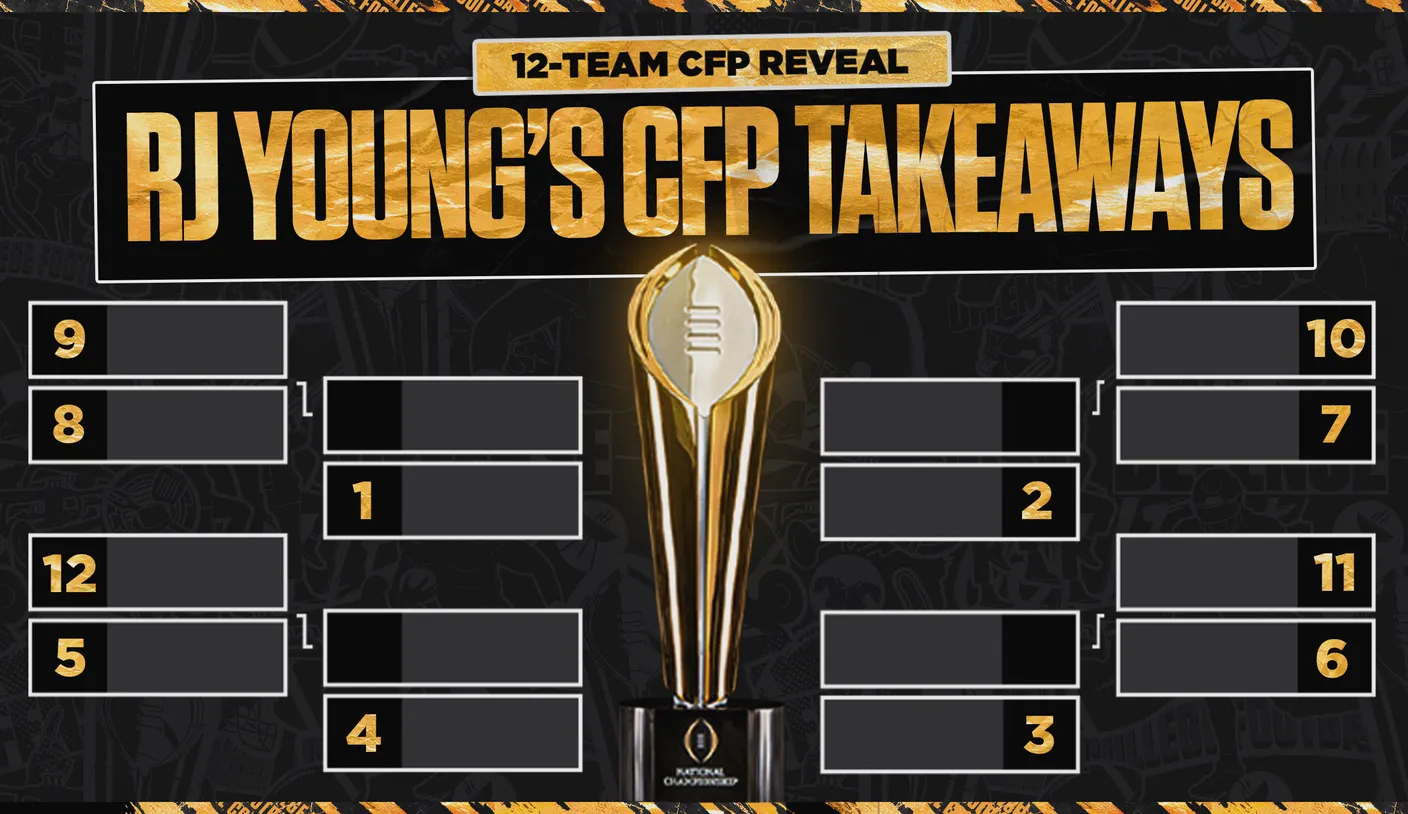
The current 12-team College Football Playoff format is showing its weaknesses, much like a quarter-mile crack in the Hoover Dam. The decision to elevate Arizona State and Boise State to the No. 3 and No. 4 seeds, despite being ranked No. 9 and No. 12, was a jarring move that highlighted the flaws in the seeding system. The hope is that the shift to straight seeding in 2025 will address these issues and make the matchups feel fairer. However, the current format is still too narrow, with only seven programs appearing safely positioned in the 12-team field. A proposed 24-team model could offer a more inclusive and exciting postseason, with up to 31 teams still in play. This larger bracket could also bring the excitement of potential home games at iconic venues like Notre Dame Stadium, Bryant-Denny Stadium, and Michigan Stadium, adding to the electric atmosphere of the postseason.
The Betrayal of Loyalty in College Football
Leaving Ole Miss at No. 6 is a reasonable decision given their strong performance this season. However, the departure of head coach Lane Kiffin is a significant blow. Kiffin’s exit after leading Ole Miss to an 11-1 record, four games away from the national championship, is a stark example of the lack of loyalty in college football. Coaches like Kiffin, who have been labeled “professional liars” by the likes of Al Davis, often prioritize personal gain over the success of the team. This betrayal of values undermines the ethics of the sport and raises questions about the commitment of coaches and players. While it’s unfair to penalize the entire Ole Miss program for Kiffin’s actions, his departure underscores the need for a more transparent and ethical approach to coaching contracts and player commitments in college football.