
Reflections on a Disappointing 2017 Six Nations
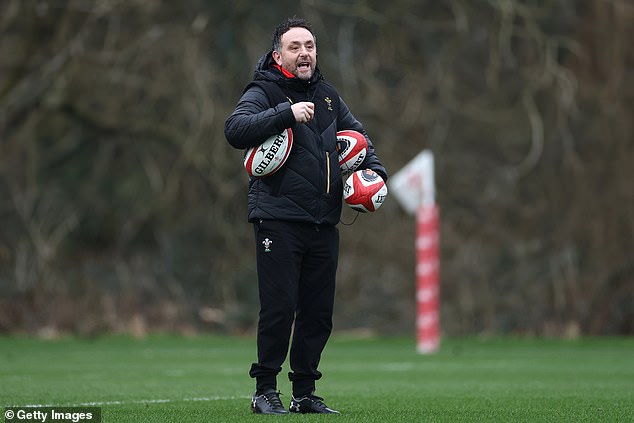
The 2017 Six Nations was a bit of a letdown for Wales. Despite the talent and potential of the team I was part of, we finished in fifth place, a position that didn’t truly reflect our capabilities. Last week, I was brought back to those memories when Matt Sherratt, known affectionately as ‘Jockey’ in the Welsh rugby community, was appointed as the interim head coach. It marks a return to a familiar face, someone who has always been an excellent addition to the coaching staff. Eight years ago, when Jockey first joined the Wales camp as an assistant attack coach, he brought a unique blend of technical expertise and a light-hearted approach. As the No 10 at that time, I had the privilege of working closely with him. His meetings were always a mix of serious analysis and a bit of humor, often starting with an icebreaker or a joke to lighten the mood. This balance between hard work and a bit of fun is something that Welsh rugby sorely needs right now, especially after a grueling run of 14 straight defeats.
The Impact of Warren Gatland’s Departure
Warren Gatland’s departure as head coach is a significant moment for Welsh rugby. While his first spell in charge will always be remembered for its successes—instilling unparalleled confidence in the players and leading to numerous victories—his recent tenure has been marked by a string of losses that have left the team at a low point. The decision to remove him was, in many ways, the easier part. The real challenge now lies ahead for the Welsh Rugby Union (WRU) in making the right choices for the future. These decisions will shape the sport in Wales for the next decade or more. The WRU needs to consider not just the immediate role of head coach but also the broader ecosystem of Welsh rugby. A strong director of rugby is crucial to improving the pathways and development systems that nurture young talent. Without these improvements, even a stellar head coach like Rassie Erasmus might struggle to turn things around.
The Search for a Permanent Successor
In the search for a permanent successor, the WRU has several strong candidates, though each comes with its own set of considerations. Ronan O’Gara, a former Ireland international and current TV pundit, would be a perfect fit. His knowledge of the game and ability to inspire players are well-documented, but he has expressed little interest in the role. Another strong contender is Simon Easterby, who has a deep understanding of the Welsh system from his playing and coaching days at the Scarlets and currently resides in the Vale of Glamorgan. Easterby, however, is currently leading Ireland through this Six Nations tournament and is part of a highly successful and stable environment. The decision to leave such a promising position and take on the challenge of turning Wales around is not one he would make lightly. Only Easterby himself can decide if the opportunity is right for him.
Preparing for the Ireland Match
This Saturday, Wales face a daunting challenge against Ireland. The team has endured a tough period, and the odds are firmly against them. However, the appointment of Jockey as interim coach provides something of a free shot. With no pressure to suddenly pull off a miracle win, the players can focus on implementing a new and more dynamic approach. Jockey’s selection of Gareth Anscombe, Ben Thomas, and Max Llewellyn for the back-line, along with the return of Nicky Smith at loosehead prop, signals a significant shift in style. These changes are not just about bringing in fresh faces but also about leveraging the skills and familiarity these players have with Jockey. The back-line selection, particularly the inclusion of two openside flankers in Jac Morgan and Tommy Reffell, points towards a more versatile and adaptable game plan. Morgan, the captain, and Reffell bring a wealth of experience and tactical awareness that could be instrumental in executing Jockey’s vision.
Jockey’s Coaching Philosophy
Jockey is a highly technical coach who emphasizes the importance of running lines and timing. His philosophy is centered on ball movement and creating passing opportunities to move the point of contact. This approach is designed to create more space and outmaneuver the opposition. Gareth Anscombe, returning to the No 10 position, will be pivotal in this strategy. His ability to execute precise kicks and create attacking plays can be a game-changer, especially if the team can maintain a quick tempo. Jockey often speaks about ‘stealing numbers’—outworking the opposition to create an extra man and more space for attack. This means we can expect to see Wales tap and go from penalties and throw in early to line-outs, a tactic that could benefit scrum-half Tomos Williams, who thrives in high-tempo situations. Effective clearance at the rucks by the forwards will also be crucial in minimizing the numbers Ireland has in their defensive line.
Expectations and Key Players
While no one expects Wales to break Ireland’s Grand Slam bid this weekend, there are signs of improvement with Jockey at the helm. The team’s recent struggles, particularly against France and Italy, have highlighted issues with physical collisions and crossing the gainline. Jockey’s emphasis on ball movement and tactical play could address these problems and bring a more fluid and dynamic style to the game. Ellis Mee and Tom Rogers, both making their debuts on the wing, are notable inclusions. Both are strong in the air, which could be an asset against Ireland’s robust defensive setup. The loss of Josh Adams to injury is a blow, but it also provides an opportunity for Mee and Rogers to step up and make their mark. Ireland, though favorites, are not invincible, and with key players like Caelan Doris, Tadhg Furlong, and Ronan Kelleher sidelined, Wales has a small window of opportunity. If the team can execute Jockey’s game plan effectively, we might just see some promising results and a much-needed boost in morale.