
The Falcons’ Defensive Woes in 2025
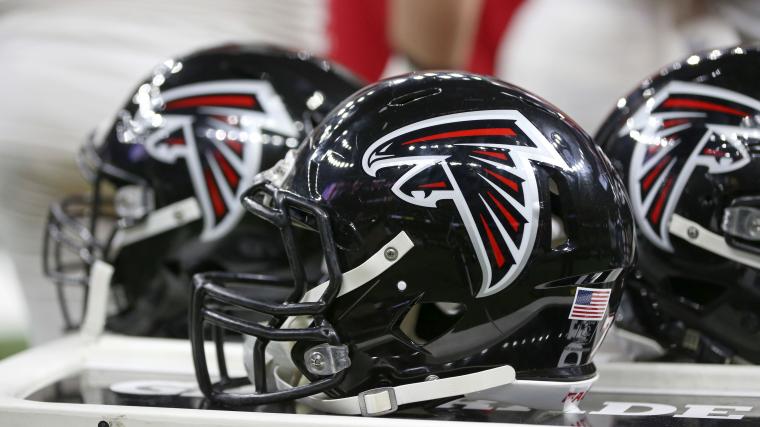
The 2025 season was a tough one for the Atlanta Falcons, particularly on the defensive side of the ball. Not a single Falcons defensive player ranked in the top 20 for their position, which is a stark indictment of the unit’s performance. The team finished 23rd in both total defense and scoring, a statistic that underscores the defensive limitations. These shortcomings were enough to prompt the organization to make changes, leading to the firing of first-year defensive coordinator Jimmy Lake. His replacement, Jeff Ulbrich, brings a wealth of experience and a new perspective, but the Falcon’s defensive issues are deep-rooted and will require more than a change in leadership to resolve.
A Long-Standing Issue: The Pass Rush
One of the most glaring issues for the Falcons in 2025 was their inability to pressure opposing quarterbacks. The team managed only 31 sacks, placing them second-to-last in the league. This has been a recurring problem for Atlanta, as they have struggled to generate a consistent pass rush for several years. The pass rush is a crucial component of any defense, helping to limit the effectiveness of opposing offenses and force turnovers. The lack of pressure allowed quarterbacks to find their rhythm, leading to long drives and big plays, both of which the Falcons’ defense struggled to contain.
Raheem Morris: A Chance for Improvement
Second-year head coach Raheem Morris, a former defensive coordinator, is well aware of the team’s defensive weaknesses. His background in defense gives him a unique perspective on how to address these issues. Morris is known for his strategic acumen and his ability to develop players, which could be vital in turning around the Falcons’ defensive fortunes. However, the transformation won’t happen overnight. It requires not only a well-thought-out plan but also the acquisition of key talent to bolster the defense, particularly in the pass rush department.
Josh Sweat: A Potential Game-Changer
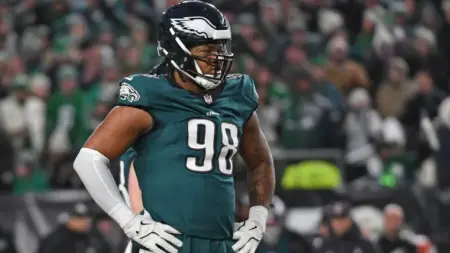
One name that stands out among potential free-agent targets is Josh Sweat, the Philadelphia Eagles’ edge rusher. According to Marcus Mosher of the 33rd Team, Sweat is a prime candidate for the Falcons. "Sweat has been a productive player for the Eagles, racking up 33 sacks in the last four seasons," Mosher wrote. "He has a lot of experience, having appeared in 104 games, but he’s only 27. Teams around the league won’t be hesitant to give him big money, and we should see him sign a deal that locks him in for at least three seasons." Sweat’s recent performance in Super Bowl 59, where he led the Eagles with three sacks and seven pressures against the Kansas City Chiefs, only adds to his appeal. Many even felt his performance was worthy of the Super Bowl MVP, though the award went to quarterback Jalen Hurts.
The Financial Hurdle
Despite the clear need and potential benefits of signing Josh Sweat, the Falcons face a significant financial challenge. According to ESPN, the team is currently -$12.7 million over the salary cap, placing them among the worst in the league in available cap space. This financial bind means that if the Falcons want to pursue Sweat on the lucrative deal Mosher projects, they will have to make some major financial maneuvers. These could include cutting players, restructuring contracts, or a combination of both. The financial aspect of this decision will be crucial, as it could determine whether Atlanta can secure a top-tier pass rusher like Sweat or if they will have to rely on more modest free-agent signings and internal development.
Looking Ahead: Hope and Realism
Signing Josh Sweat would certainly address a critical need for the Falcons and could be a significant step toward improving their defensive performance. His combination of size, length, athleticism, and production aligns perfectly with what Atlanta needs to disrupt opposing offenses. However, the team’s financial situation adds a layer of complexity to the pursuit. While there is hope that Morris’s leadership and strategic vision can guide the Falcons to a better defensive future, the reality is that substantial changes are required. Whether through financial maneuvering or other means, the Falcons will need to be proactive and innovative to turn their defensive struggles into strengths in the coming seasons.