
Chelsea’s Bright Start and Dwindling Momentum
Just three months ago, Chelsea were playing the kind of football that fans and analysts alike had come to associate with a club of their caliber—winning matches and demonstrating the potential that has seen them secure 21 trophies in the last 19 years. Manager Enzo Maresca, however, cast a shadow of doubt over their aspirations in a controversial press conference after a victory over Brentford in December, declaring that the club was not a Premier League contender. This statement seemed out of step with the club’s recent history of success and its current squad, which, despite a few setbacks, still possesses significant talent. Since that press conference, Chelsea’s form has indeed faltered, with just two wins from their last nine league games. The decline highlights the importance of clear and motivating leadership, both on and off the pitch. It’s a stark reminder that the synergy between the manager’s messaging and the players’ performances is crucial in maintaining a competitive edge.
The Rise and Role of Cole Palmer
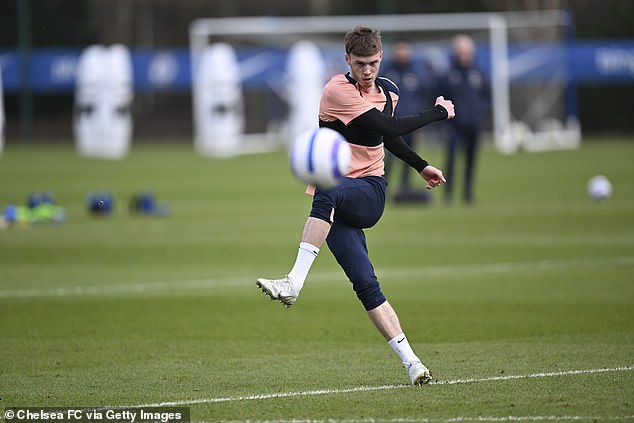
Cole Palmer has been a standout player for Chelsea, often stepping up as the team’s saviour in crucial moments. His ability to link play behind the striker, Nicolas Jackson, has been a major asset. Palmer’s performances have been instrumental in Chelsea’s recent successes, and his creative brilliance has been a highlight of the team’s offensive strategy. However, the recent injury to Jackson has exposed a vulnerability in this approach. The loss of Jackson’s lung-bursting runs, which have stretched defences and created valuable space for Palmer, has left the midfield star without the same level of support. In the most recent defeat to Brighton, Palmer failed to create a single chance for the first time this season, and he has not scored or assisted in five matches. This statistic underscores the need for Chelsea to find a new plan to harness Palmer’s creativity and ensure that the team remains competitive.
Nkunku’s Role in Revitalizing the Attack
In the absence of Jackson, Enzo Maresca has turned to Christopher Nkunku to fill the void. Nkunku, who has primarily played behind Palmer, needs to be redeployed in a more forward-facing role to provide the necessary stretch and space for Palmer to operate effectively. Nkunku’s movement and technical skills are exactly what Chelsea need to break down opposition defences and create more opportunities. The club has invested heavily in their squad, but the recent underperformance of key players has left them with limited options. With Noni Madueke also sidelined by injury, the onus is now on Pedro Neto and Jadon Sancho to step up and contribute more goals and assists. For too long, Maresca has relied heavily on the Jackson-Palmer axis, and diversifying the attack could be the key to regaining their form.
The Impact of Transfer Policy and Injuries
The transfer policy of Chelsea’s new owners has drastically altered the squad composition. Over £1.5 billion has been spent, with relatively little allocated to strikers, leaving the club with few options in central attacking positions. Despite the significant investment in player analysis and research, the decision to leave Jackson on the pitch against West Ham, even after he complained of a hamstring injury, was a glaring oversight. Jackson has made over 100 more sprints in the Premier League this season than any other Chelsea player, a workload that was bound to lead to an injury sooner or later. This mismanagement highlights the club’s need for a more balanced and considerate approach to player welfare and tactical planning.
Defensive Challenges and Upcoming Fixture
Chelsea’s defensive issues have also come to the forefront. The team’s shape is frequently compromised, and they appear vulnerable when the ball is played wide. This tactical flaw needs to be addressed to restore the team’s stability and confidence. The upcoming trip to Aston Villa on Saturday is a crucial game for both clubs, as they are part of a group of teams vying for European qualification. Unai Emery, Villa’s manager, was visibly disappointed after his side’s narrow loss to Liverpool, a testament to the belief he has in his squad. Emery has made some savvy moves in the transfer market, selling Moussa Diaby and Douglas Luiz for over £100 million and bringing in a host of new talent, including Marco Asensio, whose performance against Liverpool was a clear indication of his quality and potential.
The Pressure Mounts
For Chelsea, the stakes are particularly high. They see themselves as a Champions League club, and a third consecutive campaign without it would be a significant blow to their reputation and ambitions. Under Roman Abramovich, such a scenario would have been unthinkable, highlighting the club’s historical expectation of sustained success. Maresca’s initial success in turning the team around has given way to a period of stagnation, and it is now imperative for him and the club to find solutions to these mounting challenges. Both Maresca and the players need to reassess their approach, adapt to the new circumstances, and bring back the form that made Chelsea a formidable force in English and European football. The outcome of the match against Aston Villa could be a pivotal moment in determining whether Chelsea can salvage their season and return to their winning ways.