
The Origin of a Famous Quotation
According to some, it was the Indiana poet James Whitcomb Riley who coined the phrase, "When I see a bird that walks like a duck and swims like a duck and quacks like a duck, I call that bird a duck." Riley, known for his rustic simplicity and ability to connect with the common man, used this straightforward metaphor to convey the idea that things should be called what they are. Critics often attributed Riley’s success to his poor education, which they believed allowed him to speak the language of the masses and effectively communicate his points. Riley’s legacy, however, extends far beyond his poetry. His wisdom, captured in this simple phrase, remains relevant, especially in today’s complex world of sports governance.
A Modern Conundrum: The Manchester City Saga
In the fast-paced and often contentious world of professional football, the phrase "calling a spade a spade" (or a duck a duck) might just be the guiding principle the Premier League needs. The recent legal victory of Manchester City over the Premier League highlights a significant issue that has been brewing for some time. In October, an independent tribunal, composed of highly esteemed legal minds, ruled that the Premier League’s rules on associated party transactions (APTs) were unlawful. This decision came after Manchester City challenged the rules that had prevented them from signing sponsorship deals with Etihad Airways and Abu Dhabi First Bank. The tribunal identified three key issues, the most significant being that shareholder loans were not subject to the same fair market assessments as other transactions.
The Premier League’s Response
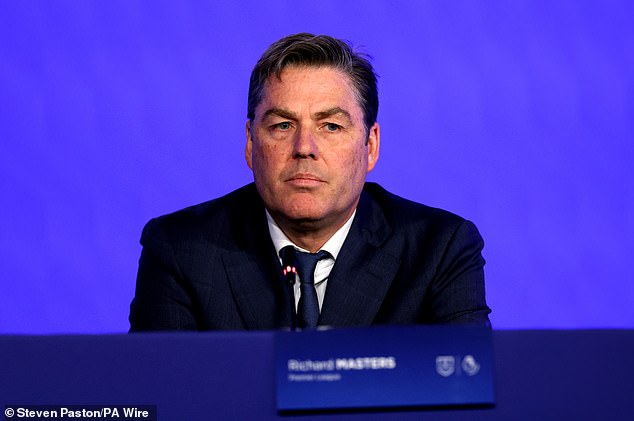
Despite the clear ruling, the Premier League’s chief executive, Richard Masters, seemed to downplay the significance of the decision. He assured clubs that the tribunal had "endorsed" the rules, suggesting that only minor adjustments were needed. Simon Cliff, the Premier League’s general counsel, had warned clubs about the potential risks, but his concerns were largely ignored. The Premier League went ahead with a vote on the revised rules, which passed with a majority of 16 to 4. However, as expected, Manchester City issued another legal challenge. The panel’s recent ruling, finding the three-year-old rules "void and unenforceable," has once again thrown the Premier League into a state of uncertainty.
Legal Costs and Potential Compensation
The financial implications of these legal battles are substantial. Manchester City is expected to seek £10 million in legal costs, and the Premier League itself may have to shell out a similar amount. Moreover, the potential for other clubs to seek compensation for deals that were blocked under the now-outlawed system adds another layer of complexity. The tribunal’s upcoming verdict on the legality of the new rules will be crucial. If the new rules are also struck down, the Premier League could face significant embarrassment and financial repercussions.
The Broader Impact
The legal battles between Manchester City and the Premier League have far-reaching implications for the sport. If the tribunal rules in favor of City again, it could open the door for other clubs to negotiate significantly higher sponsorship agreements. This could lead to a more competitive financial landscape, but it also raises questions about the fairness and transparency of the Premier League’s governance. The case has already highlighted the need for clearer and more equitable rules to prevent similar disputes in the future.
A Call for Reflection
As the Premier League and its chief executive, Richard Masters, navigate these turbulent waters, it might be wise for them to take a step back and reflect on the wisdom of James Whitcomb Riley. In a world where transparency and fairness are paramount, it is crucial to acknowledge the reality of the situation and make the necessary adjustments. The phrase "calling a duck a duck" is more than just a quaint saying; it is a reminder to recognize and address issues head-on. If the Premier League continues to ignore the clear signals and the repeated legal challenges, it risks further damage to its reputation and the integrity of the sport. It might be time to heed Riley’s advice and recognize the bird for what it is, before it’s too late.