
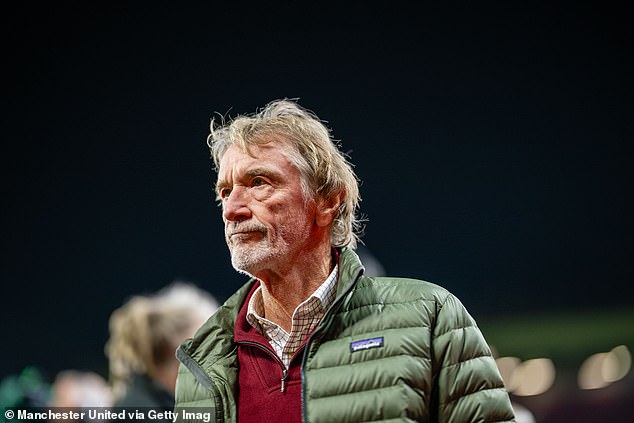
Sir Jim Ratcliffe: The Questionable Steward of Manchester United
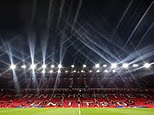
A birthday is approaching at Manchester United, and it will be accompanied by more than just cake and candles. This coming Thursday marks a year since Sir Jim Ratcliffe finalized the purchase of his stake in the club, but the moods around Old Trafford have shifted dramatically. Once seen as a potential white knight who could save the Red Devils from the clutches of the Glazers, Ratcliffe has found himself under intense scrutiny and criticism. His every move is now questioned, and fans are increasingly vocal about their dissatisfaction. The recent outing against Fulham, where chants of "Just like the Glazers, Jim Ratcliffe’s a ****" echoed through the Putney End even after a victory, underscores the depth of his unpopularity. It’s a stark contrast to the optimism that greeted his arrival, and the honeymoon period is clearly over.
Missteps and Financial Strain
United fans have every reason to be disillusioned. The club spent around £200 million on new signings over the summer, yet the results on the field have been disappointing. The team has slipped from sixth to 13th in the Premier League, and the fans are wondering if Ratcliffe is more interested in cost-cutting than in investing in the squad. The latest round of redundancies, which is expected to affect between 100 and 200 more staff members, adds to the growing list of concerns. According to United’s fourth-quarter accounts for 2024, the initial round of layoffs will generate savings of £40m-£45m a year, an average saving of around £160,000 per head. This might seem logical in a business context, but fans are appalled by the idea that a club with an annual turnover exceeding £660 million is trimming pennies from travel allowances, Christmas gift vouchers, and staff lunches to fund transfers.
A Year of Turbulence
Ratcliffe’s troubles extend well beyond Old Trafford. In January, he split from his partnership with Sir Ben Ainslie in the America’s Cup, a falling out with a four-time Olympic champion over the management of their sailing operation. Around the same time, his cycling team began seeking additional financial backers, raising questions about his commitment to the sport. However, the most significant issue emerged this week when New Zealand Rugby disclosed that they are taking legal action against Ineos, Ratcliffe’s core business, for a breach of their sponsorship contract. Ineos’s response, citing the "deindustrialisation of Europe" and the impact of carbon taxes and high energy costs, suggests that financial difficulties in his primary business are beginning to affect his sporting ventures. The forecasted £10 billion debt for Ineos this year, which is five to six times the company’s annual earnings, is a worrying sign for all of Ratcliffe’s investments, from football to cycling to sailing.
The Price of Ownership
The financial strain on Ineos is not just a numbers game; it has real-world implications for Manchester United. When Ratcliffe’s day job suffers, it’s reasonable to assume that his ability to inject funds into the club will be limited. This is particularly concerning given the club’s need for substantial investment to rebuild and compete at the highest level. The belt-tightening measures, such as cutting Sir Alex Ferguson’s £2.61 million-per-year ambassadorial role, may be necessary, but they do little to endear Ratcliffe to the fans. The cost-cutting is touted as a means to support the first team, but the human cost of these decisions is significant, and it’s hard to see how such measures will translate into on-field success.
Promise vs. Reality
Upon his arrival at Manchester United, Ratcliffe spoke of a "journey to take Manchester United back to the top of English, European, and world football." Only the most optimistic fans believed this would be an easy task, but no one expected a white knight to turn into a hatchet man. Ratcliffe’s decisions over the past year, including his absence from Denis Law’s funeral, have done little to build trust or foster a positive relationship with the fanbase. His focus on cutting costs and the lack of tangible improvements on the pitch have left many supporters feeling deeply let down. The club’s slide in the league table and the negative outlook from credit rating agencies on Ineos are just a few of the red flags that have emerged, casting a shadow over his tenure.
A Broader Perspective
While it’s easy to critique Ratcliffe’s stewardship, it’s important to acknowledge the broader context. The Glazers’ legacy of mismanagement has left the club in a precarious position, and many of the current issues can be traced back to their tenure. However, Ratcliffe’s decisions and the direction he has taken the club are now under intense scrutiny. The recent report suggesting that prospective new owners for Tottenham might be from Qatar and could keep Daniel Levy in post only adds to the sense of urgency for Manchester United fans. They see their club lagging behind, and the pressure is mounting for Ratcliffe to deliver results and show a genuine commitment to the club’s success. As the club prepares for a trip to Tottenham on Sunday, the fans’ frustration is palpable, and the question remains whether Ratcliffe can turn things around or if his involvement will only deepen the club’s woes.