
Keyshawn Johnson’s Insight on Shedeur Sanders’ Decision
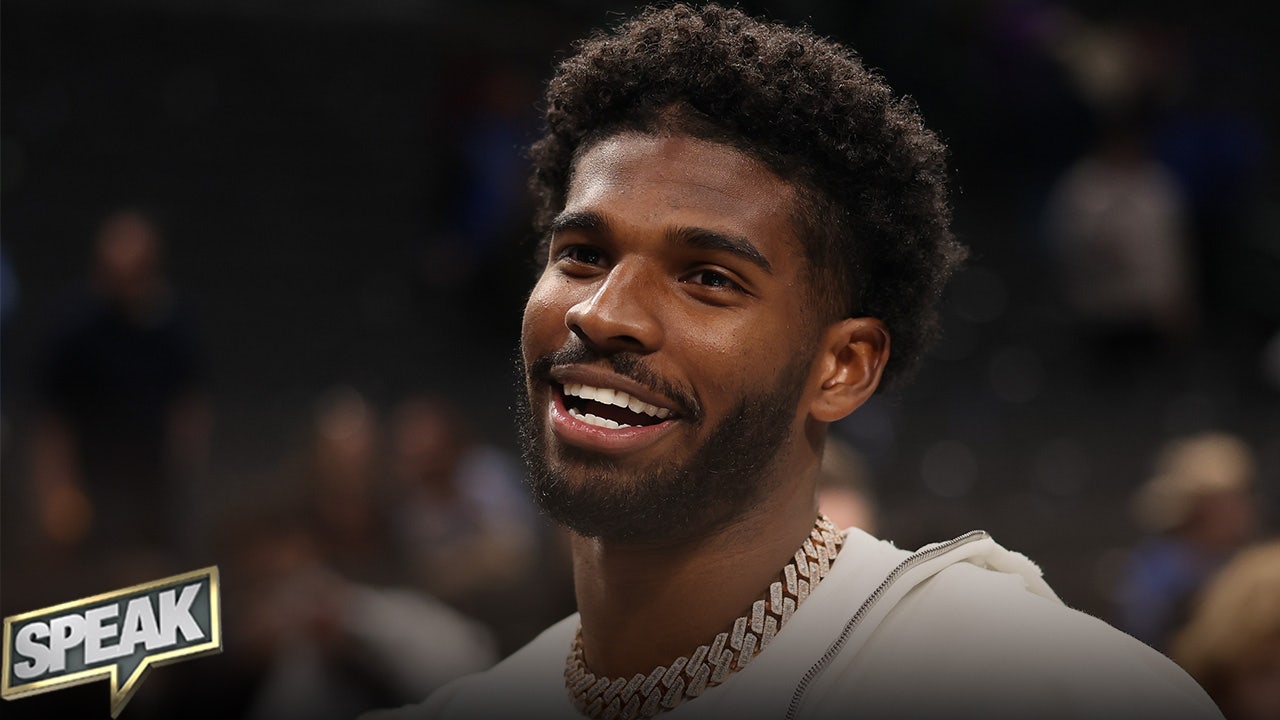
Keyshawn Johnson, a former NFL wide receiver and a respected voice in the football community, recently offered his thoughts on Shedeur Sanders’ decision to skip the throwing portion of the NFL Combine. Johnson, known for his candid and insightful commentary, believes that Sanders made the right choice by opting not to throw at the event. He argues that Sanders has already demonstrated his skills and abilities through his collegiate career and doesn’t need to take unnecessary risks by participating in an activity that might not add significant value to his NFL prospects.
The NFL Combine: A Crucial Event
The NFL Combine is an annual event where top college football prospects showcase their skills to NFL scouts and coaches. It includes a series of physical and mental tests, such as the 40-yard dash, bench press, and position-specific drills, designed to evaluate players’ readiness for professional football. However, the throwing portion of the combine can be particularly challenging for quarterbacks. Many prospects use it as an opportunity to impress scouts with their arm strength and accuracy, but it also comes with the risk of injury or underperformance, which can negatively impact their draft status.
Shedeur Sanders: A Promising Prospect
Shedeur Sanders, the son of legendary NFL wide receiver Deion Sanders, has been a standout quarterback throughout his college career. At Jackson State University, Sanders led his team to several victories and earned numerous accolades for his performance. His poise, leadership, and accuracy have been praised by coaches and analysts alike. Despite his impressive track record, the pressure to perform at the combine can be immense, and Johnson’s support underscores the importance of making strategic decisions to maximize one’s potential in the NFL draft.
The Risks of Throwing at the Combine
Johnson points out that the throwing portion of the combine is not a game environment and lacks the context and pressure of actual competition. For quarterbacks like Sanders, who have already shown their abilities in college, unnecessary throws can expose them to risks. Johnson emphasizes that a poor performance or injury during the combine can derail a player’s career trajectory, and it’s essential to weigh the potential benefits against these risks. Sanders’ decision to skip this part of the combine demonstrates a level of maturity and strategic thinking that could serve him well in his professional career.
Sanders’ Path to the NFL
Shedeur Sanders has a clear path to the NFL, and his decision to skip the throwing portion of the combine doesn’t diminish his potential. Johnson suggests that Sanders can focus on other aspects of the combine, such as meeting with teams, participating in interviews, and undergoing medical evaluations. These activities provide valuable opportunities for players to connect with NFL personnel and showcase their character, work ethic, and intelligence—qualities that are equally important in the eyes of scouts and coaches.
Final Thoughts and Advice
In conclusion, Keyshawn Johnson’s support for Shedeur Sanders’ decision highlights the nuanced approach players and their advisors must take when preparing for the NFL draft. It’s not just about physical prowess but also about making smart, strategic choices that can help ensure a successful transition to the professional level. Johnson advises Sanders and other prospects to trust their instincts and prioritize their long-term career goals over short-term pressures. By doing so, they can set themselves up for the best possible outcome on draft day and beyond.