
Joel Klatt Empties the Mailbag: A Deep Dive into College Football Insights
In a slow period for college football, Joel Klatt, FOX Sports’ lead college football analyst, took to his podcast, "The Joel Klatt Show," to answer a series of questions from his listeners. Known for his in-depth analysis and engaging commentary, Klatt tackled a range of topics, from the most underrated venues in college football to predictions for the upcoming season. Let’s explore some of the highlights from his latest episode.
Underrated Venues in College Football
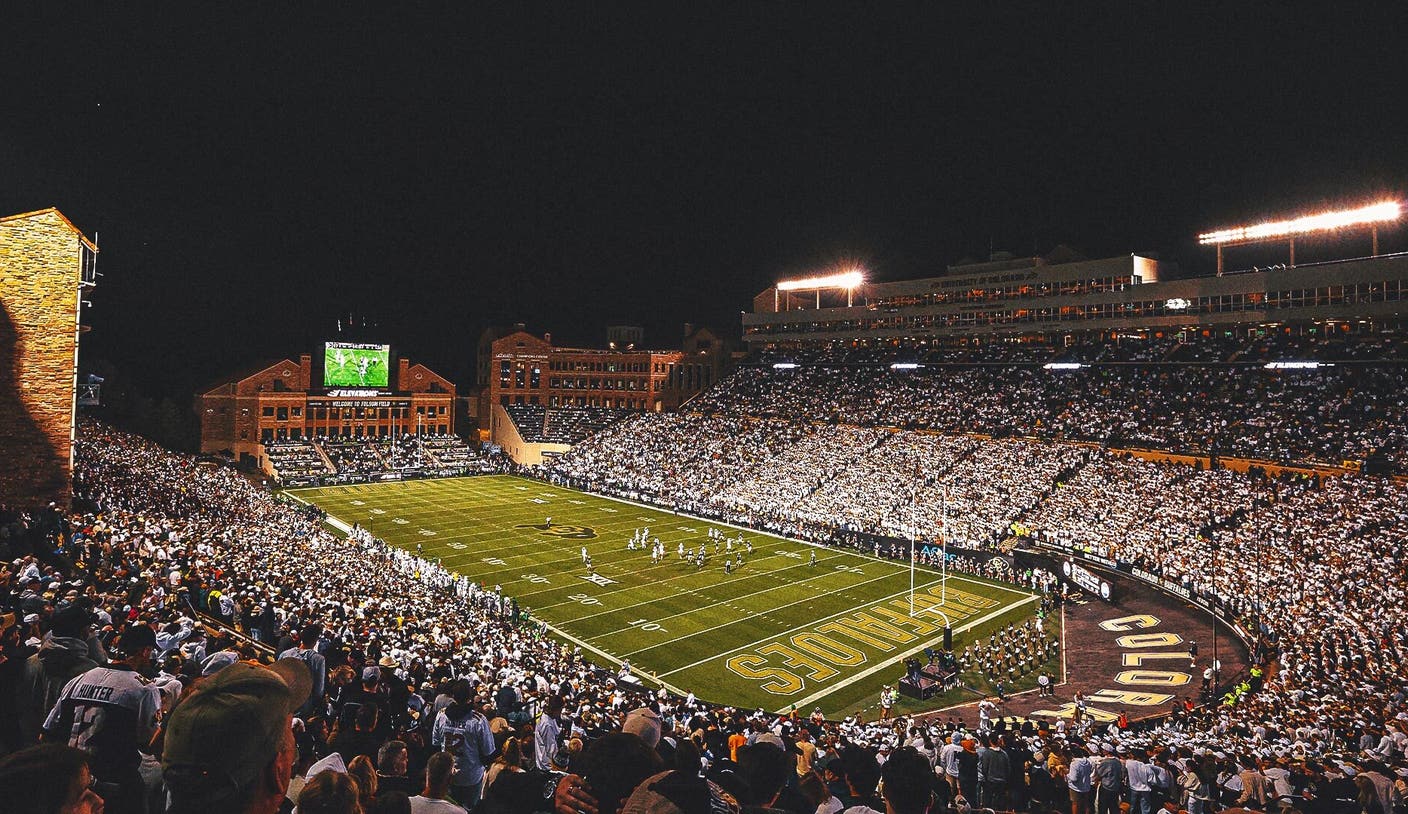
One of the most intriguing questions from the mailbag was about the top five most underrated venues in college football. Klatt, who has both played and called games in some of the most iconic stadiums, emphasized that the experience often depends on the matchup. However, he focused on the venues themselves, highlighting some hidden gems. Kinnick Stadium at the University of Iowa topped his list. Klatt described it as a "terrific venue to watch a game," noting its unique atmosphere. Folsom Field at Colorado University also made the cut, praised for its intimate feel and passionate fans. Husky Stadium at the University of Washington and Autzen Stadium at the University of Oregon were lauded for their beauty and noise levels, respectively. Autzen, in particular, stands out for being incredibly loud for a stadium that seats around 60,000 people. These venues, while not as frequently mentioned as the likes of LSU’s Tiger Stadium or Ohio State’s Horseshoe, offer a memorable and electric fan experience.
The Rise of Parity in College Football
Klatt also delved into the topic of parity in college football, a phenomenon that has been increasingly evident in recent years. He pointed out that the sport has entered a golden age where more teams than ever before have a realistic shot at the national championship. This is partly due to the Name, Image, and Likeness (NIL) policy and the transfer portal, which have democratized the distribution of talent. Players who might have been benchwarmers at top programs now have the opportunity to play and earn through NIL, leading to a more balanced competitive landscape. Klatt cited examples from the 2023 season, where teams like Arizona State, SMU, and Indiana had breakout performances, despite being picked to finish at the bottom of their conferences. He believes that this trend will continue, with up to 15 to 17 teams having a legitimate chance to win the national title in the coming year.
Potential Surprise Teams for 2025
Looking ahead to the 2025 season, Klatt identified a few teams that could follow in the footsteps of surprise success stories like SMU. Illinois, for example, is a strong contender. The team had a 10-win season in 2023 and boasts an experienced quarterback, Luke Altmyer, and a solid offensive line. Additionally, Illinois has a favorable conference schedule, avoiding three of the Big Ten’s top teams and hosting Ohio State. Another team to watch is Baylor in the Big 12. Under the leadership of coach Dave Aranda, who returned to his defensive play-calling duties last season, the Bears turned their season around, winning their last six regular-season games. Their quarterback, Sawyer Robertson, showed significant improvement, throwing for over 3,000 yards and 30 total touchdowns.
Teams at Risk of Disappointing
On the flip side, Klatt discussed the risk of highly-ranked teams underperforming. He noted that while it’s rare for top-10 teams to have a disastrous season like Florida State did in 2023, it’s not impossible. However, predicting such a drop is challenging because these teams are ranked highly for a reason. Klatt emphasized that if he believed a top team was likely to struggle, he would adjust his rankings accordingly. He also pointed out that the balance of talent and the competitive landscape make it difficult for any one team to consistently dominate the sport.
The Impact of NIL on College Football
One of the most thought-provoking questions Klatt addressed was the potential impact of NIL on college football. His friend argued that NIL could lead to the same programs winning every year, but Klatt strongly disagreed. He believes that NIL, combined with the transfer portal, is actually driving parity. Star players are no longer content to sit on the bench at top programs; they are seeking opportunities to play and earn, leading to a more even distribution of talent across the sport. This has resulted in more teams being competitive at the highest level, with as many as 15 to 17 teams having a realistic shot at the national championship.
The Future of College Football
In conclusion, Joel Klatt’s insights offer a compelling look at the current state and future of college football. The sport is experiencing a unique period of parity, where the gap between the top programs and the rest of the field is narrowing. This is largely due to the NIL policy and the transfer portal, which have created a more dynamic and competitive landscape. As the 2025 season approaches, fans can look forward to more surprises and a greater number of teams vying for the national title. Klatt’s analysis not only enriches our understanding of the sport but also highlights the exciting changes that are shaping college football for the better.