
A Peculiar Exit from the Champions League
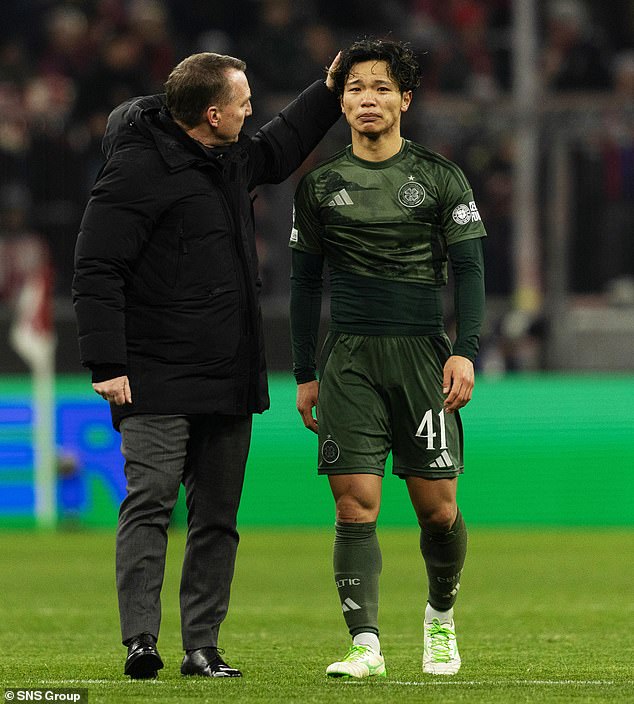
The conclusion of Celtic’s Champions League campaign this year felt strangely different from the usual emotional turmoil the club has faced in past exits. While Brendan Rodgers’ team was undoubtedly disappointed by the last-minute goal from Alphonso Davies in Munich, which denied them a chance at extra-time, their performance on the road was nothing short of spectacular. Over the 10 matches, the team showed significant maturity and evolution, pushing the six-time European champions to the brink. The glass ceiling of winning a European knock-out tie in the New Year remains unbroken, but Celtic’s effort gave it an almighty thud. Amid the anguish, there was a glimmer of optimism and a sense that a new standard has been set. The dramatic improvement from the earlier defeat in Dortmund to the supreme display in Munich was remarkable. For once, the talk of further improvement and the possibility of regularly troubling and even beating giants like Bayern Munich didn’t feel like empty rhetoric. Rodgers’ players could now look forward to the next tournament with renewed self-worth and belief.
Setting the Stage for the Future
The first step for Celtic to make further inroads in the Champions League next year is to secure their place in the tournament. Scotland’s champions will lose their direct entry to the 36-team mono-group and will have to navigate a play-off tie, most likely against a winner from a third-round qualifier. If they secure the Premiership title, they will be seeded in the draw and will play the second leg at home. Potential opponents could include champions from Greece, Denmark, Cyprus, and Hungary, and while the challenge may vary, the scheduling is a comfort. The first leg won’t take place until late August, after the domestic season has started, ensuring the team is in good form. Clearing this hurdle would create a piece of history, as Celtic has never managed four consecutive group-stage campaigns. The current run of three matches the record set by Gordon Strachan’s side between 2006-07 and 2008-09. Continuity is crucial, and with Rodgers committed to at least another season, the club has the necessary stability to build on this success.
Strengthening the Squad
Rodgers’ success this season is underpinned by a strong core of players, and the challenge for the club is to ensure any departures are followed by upgrades. Kasper Schmeichel, at 38, has been one of the standout goalkeepers in the league, showing the same agility that led him to success with Leicester. Alistair Johnston, the aggressive and enterprising right-back, has shown significant improvement. The defensive partnership of Cameron Carter-Vickers and Auston Trusty has been solid, with their complementary strengths proving crucial. While Greg Taylor and Jeffrey Schlupp will continue to play key roles, the return of Kieran Tierney this summer will provide a significant upgrade at left-back. In midfield, Callum McGregor has been outstanding, and Arne Engels has shown he can perform at the highest level. Luke McCowan and Paulo Bernardo are trusted by Rodgers and will likely see plenty of action. However, Reo Hatate’s future is uncertain. After three years and interest from Brighton, the club and player may agree that this summer is the right time for a move.
Retaining Key Players
Celtic will be less willing to let Nicolas Kuhn go. His form, particularly his 18th goal of the season in Munich, has already attracted interest from Newcastle. Given Kuhn’s contract until 2029 and the club’s solid financial standing, Celtic are under no pressure to sell. They are likely to receive bids, but retaining Kuhn will be crucial for the team’s ambition. Jota, Daizen Maeda, Yang Hyun-jun, and the returning James Forrest provide depth and quality in the wide areas. Maeda, in particular, has shown he can lead the line effectively, but Celtic need to sign a high-caliber striker to replace Kyogo Furuhashi, who left for Rennes. Furuhashi’s timely departure was a significant setback, and while Adam Idah has done well, Celtic need a proven Champions League forward to improve on their performance next season. Paul Lambert, a former Celtic midfielder, emphasized the need for top-tier investments to stay competitive. “Every other team is going to get stronger, so Celtic are going to have to go and invest in really top, top players,” he said.
Financial Viability and Future Prospects
Celtic’s financial stability is a critical factor in their ability to make the necessary upgrades. The club has the resources to attract and retain top talent, which is essential for competing at this level. The success of this season has shown that Celtic can compete, especially at home, where their record has been excellent. The club’s size and ambition align with their Champions League aspirations. For too long, Celtic’s claim to be a Champions League club has been somewhat hollow, but this campaign has been markedly different. They now have an elite manager in Rodgers, who has thrived in this environment, and a team that has grown to be comfortable at this level. The ball is in Celtic’s court to make the necessary investments and improvements to not just trouble but potentially beat the likes of Bayern Munich in future campaigns. The foundation is in place, and with the right additions, Celtic can become a regular contender in the Champions League.
A New Era of Competitiveness
The end of Celtic’s Champions League campaign this year was a bittersweet affair. While the team was denied a place in the next round, their performance in Munich was a testament to the club’s growth and potential. The team’s evolution over the 10 matches, from the capitulation in Dortmund to the heroic display in Munich, was nothing short of remarkable. The core of the squad is strong, and with the right additions, Celtic can build on this success. The challenge of securing a place in next year’s tournament and the need to sign a top-class striker are crucial, but the club’s financial stability and the commitment of Rodgers provide a solid foundation. This season has shown that Celtic can compete at the highest level, and with the right investments, they can do more than just trouble the giants—they can become one of them. The future looks bright, and the possibilities are exciting.