
Paul Finebaum’s Discontent with College Football’s Transition
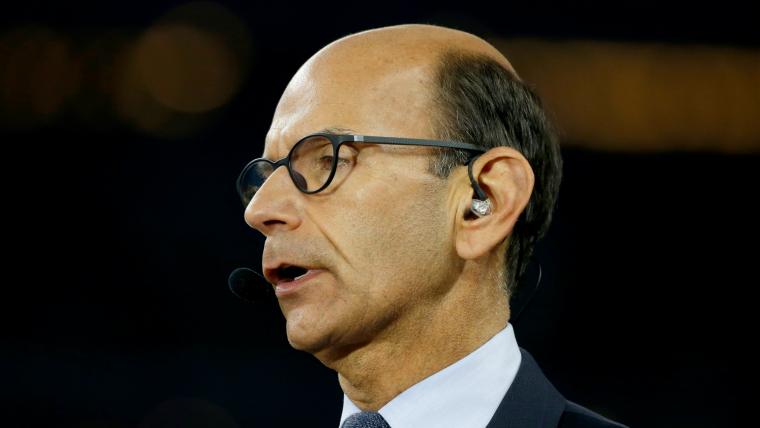
Paul Finebaum, a renowned personality in college football, has reached his limit with the ongoing transitions in the sport. In a recent appearance on "Get Up," Finebaum expressed his frustration with the potential College Football Playoff (CFP) proposal, particularly the automatic qualifiers idea. He emphasized that while he understands the significance of seeding, he strongly believes that guaranteeing bids to certain conferences is fundamentally flawed. "I understand the seeding issue, but I believe they are completely wrong about guaranteeing bids,” Finebaum stated. He further explained that this system could stack the deck before the season even begins, potentially undermining the integrity of the competition.
The Fan Reaction
Adding to his critique, Finebaum highlighted the unexpected reaction from SEC fans. Surprisingly, even the loyal supporters of the SEC are voicing their disapproval. "Doing our show yesterday, even SEC fans are calling in saying they don’t like it. There’s something inherently wrong about stacking the deck before the season," he shared. This grassroots opposition suggests that the proposed changes might not be as popular as the decision-makers might hope. The fans, who are the lifeblood of the sport, are clearly expressing their dissatisfaction with the idea of predetermined advantages.
The Merit of Quality Wins
Finebaum’s stance is rooted in the belief that teams should earn their place in the playoff through quality victories rather than by virtue of their conference affiliation. "Yeah, the SEC and the Big Ten are by far the best leagues and last year, the SEC only got three [in the playoff], and there were three schools hanging on the ledge," he acknowledged. However, he argues that the automatic qualifiers system could result in undeserving teams making the playoff. "But ultimately, you could have a year in, probably more in the Big Ten or the SEC, where you have two or three elite teams, and then your automatic third or fourth, or maybe your fourth, is an 8-4 team that probably doesn’t belong in there. So, I think it’s a bad move right now.”
The Impact of Finebaum’s Voice
While Finebaum may not have a direct role in making the decisions, his influence in the college football community is substantial. As the leading voice in the SEC, his opinions carry significant weight. His platform allows him to amplify the concerns of fans and stakeholders, potentially swaying public opinion and even affecting the decision-making process. Finebaum’s fervent opposition to the automatic qualifiers proposal is a clarion call to rethink the proposed changes and consider the broader implications for the sport.
The Current State of College Football
College football is currently navigating a period of significant change and uncertainty. The sport is at a crossroads, and the decisions made now will shape its future. It is crucial for the governing bodies to ensure that the changes they implement are fair and maintain the spirit of competition. The automatic qualifiers proposal, while seemingly designed to benefit the top conferences, risks alienating a significant portion of the fanbase. As Finebaum pointed out, the integrity of the sport must be preserved to keep fans, both new and old, engaged in the excitement of the fall and winter months.
The Path Forward
Ultimately, the responsibility lies with the decision-makers to chart a path that is equitable and sustainable. The ongoing debate over the automatic qualifiers proposal highlights the need for a balanced approach that values quality wins and maintains the competitive spirit of college football. Paul Finebaum’s vocal opposition serves as a reminder that the sport’s success depends on the trust and support of its fans. It is a call to action for those in power to listen to the voices of the fans and stakeholders and make decisions that will benefit the sport as a whole. The future of college football is at stake, and the choices made now will have lasting consequences.