
Marathe’s Assurance: No Feeder Club for Rangers
Paraag Marathe, President of 49ers Enterprises and a key figure in the ongoing talks to acquire a controlling stake in Rangers, has addressed the concerns of some Rangers fans regarding the potential for Ibrox to become a feeder club to Leeds United. Known for his influential role in the NFL with the San Francisco 49ers and his position as chairman of Leeds United, Marathe is acutely aware of the importance of maintaining the individuality and integrity of each sports club. He stated, "We always have our eyes and ears open and look at other opportunities. Leeds United stands alone, if we were to look at another club that would stand alone. What you can share and do on the sporting side, we haven’t looked at one club as a feeder club." Marathe’s commitment to ensuring that Rangers will retain its autonomy and identity is a reassuring message to the club’s faithful supporters, many of whom fear the potential dominance of Leeds in the American investors’ portfolio.
The American Takeover: A Promising Future for Rangers
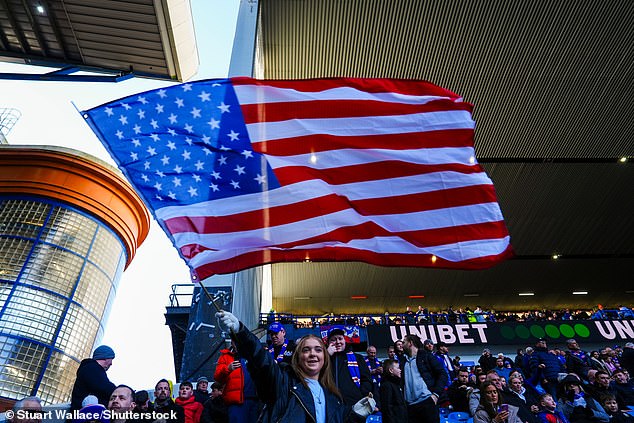
The American takeover at Rangers is expected to be completed before the end of the current season, marking a significant shift in the club’s ownership and strategic direction. Paraag Marathe, leading the talks, has a proven track record of success in both American football and English football. His involvement with the San Francisco 49ers, particularly the development of Levi’s Stadium, a $1.3 billion venue that has hosted the Super Bowl, and his role in planning the expansion of Elland Road to increase Leeds United’s capacity by more than 15,000, demonstrate his expertise in ambitious stadium projects. This background suggests that the new American owners are likely to invest heavily in Ibrox to boost the club’s revenue and support a competitive team. However, Marathe also emphasizes the need for measured and sustainable growth, in line with UEFA’s financial fair play rules, which require clubs to balance their books and avoid overextending financially.
Ibrox: The Key to Rangers’ Growth
For Rangers to achieve their long-term ambitions and rival clubs like Celtic and Manchester City, the redevelopment of Ibrox Stadium will be crucial. Marathe’s experience with stadium projects is a valuable asset, and he is likely to explore significant upgrades to Ibrox. The current capacity of 51,700 is less than many major European stadiums, including Celtic Park, which accommodates over 60,000. In a Leeds United podcast, Marathe highlighted the importance of a sustainable stadium that can generate sufficient revenue to support a competitive team. He said, "The name of the game for any sports team is to have yourself a sustainable stadium or arena that you can play in that generates enough that you can support the team you want, a competitive team on the field." Ibrox, with its rich history and passionate supporters, is set to undergo major changes that could transform it into a modern, high-capacity venue, enhancing both the team’s financial stability and its on-pitch performance.
Rangers’ Recent Managerial Flux
Rangers’ history of managerial stability is a distant memory, with the club experiencing an unprecedented churn of managers in recent years. In the early days of Ibrox, managers like William Winton, Bill Struth, and Scot Symon were fixtures, with an average tenure of nearly 23 years. However, since the tumultuous sale to Craig Whyte in 2011, the club has seen a rapid turnover of managers. Ally McCoist managed for three and a half years, followed by a series of short-term appointments, including Mark Warburton (20 months), Pedro Caixinha (eight months), and Giovanni van Bronckhorst (just over a year). Barry Ferguson, the current interim manager, is the 12th person to hold the position in less than 14 years. This frequent change has eroded the club’s reputation for managerial patience and consistency, and it will be a challenge for the new ownership to rebuild trust and foster a more stable environment for the team.
Potter’s Pride: Rangers’ International Call-Ups
Rangers Women’s manager Jo Potter is immensely proud of the 10 players from her squad who are currently on international duty. Representing countries at full or age-group levels, these players are showcasing the club’s growing influence on the international stage. Among those called up are Chelsea Cornet, Leah Eddie, Kirsty Maclean, and Mia McAulay for Scotland, Laura Rafferty for Northern Ireland, Telma Ivarsdottir for Iceland, and Vic Esson for New Zealand. Potter, a former England international, believes that these experiences will significantly benefit her players and the team as a whole. She stated, "The players have done superb to earn these call-ups. We are devastated that a few more aren’t in that squad too because we feel like our players have been performing exceptionally well." The international exposure is not only a mark of the players’ individual talents but also a testament to the club’s strong performance, particularly with a current six-match winning streak.
Looking Forward: Ambitions and Challenges
The new American ownership at Rangers presents both exciting opportunities and significant challenges. Marathe’s emphasis on sustainable growth and his track record in major stadium projects suggest that Ibrox will see transformative changes, potentially increasing its capacity and modernizing its facilities. However, the club must also address the issue of managerial stability to build a consistent and competitive team. Potter’s experience with her players’ international call-ups highlights the club’s growing reputation and the importance of nurturing talent at all levels. As Rangers gear up for the closing stages of a title race, the support of passionate fans and the commitment of new owners will be crucial in achieving the club’s long-term goals of domestic and European success. The coming months will be pivotal in determining the direction and future of this storied Scottish club.