
The NBA’s Ratings Decline: A Growing Concern
The 2025 NBA All-Star Game experienced a significant ratings drop, plummeting by 13 percent from the previous season, according to Front Office Sports. This decline is particularly troubling for a league that has traditionally enjoyed a commanding presence in American sports during the winter and spring months. However, the problem extends beyond the All-Star spectacle, as the league’s regular-season viewership has also dipped by five points coming out of the mid-season break. These numbers are a wake-up call for the NBA, which prides itself on being a global entertainment brand. The reasons behind this downward trend are multifaceted, ranging from changes in how the game is played to shifts in fan preferences. As the league grapples with these challenges, finding a solution that can revitalize its popularity is not a straightforward task.
Old-School vs. Modern NBA: A Culprit in 3-Point Shooting?
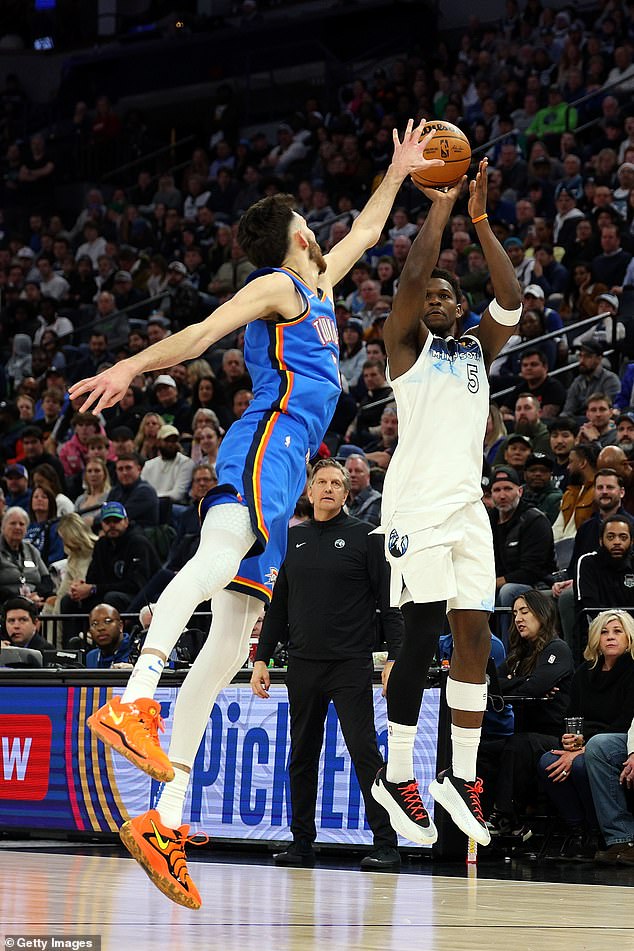
Critics of the NBA have long lamented the perceived softness and political correctness of today’s players, but a newer and more quantifiable issue has emerged: the over-reliance on 3-point shooting. A shocking statistic from Sportico, using data from Basketball Reference, highlights this shift. In the 1985 season, only 4 percent of all field goal attempts came from beyond the arc. Fast forward to 2025, and that number has skyrocketed to 42 percent. This dramatic increase means that nearly half of all shots in the modern NBA are 3-point attempts. The change is not just a matter of statistics; it has profoundly altered the style of play and, for many fans, the enjoyment of the game.
The Impact on Traditional Play and Fan Engagement
The transition from a game dominated by post play and mid-range shots to one heavily skewed towards 3-pointers has sparked a backlash from long-time NBA fans. Take, for instance, comments from former NFL star Jumbo Elliott, who observed Celtics veteran center Al Horford passing up advantageous low-post matchups to kick the ball out for 3-point shots. "No wonder the game is unwatchable nowadays, brick after brick even in situations where you don’t need to be shooting 3-Pointers," one fan remarked. Another suggested moving the 3-point line back, a move the NBA had made in the 1997-98 season. The crux of the issue is that the modern emphasis on 3-point shooting has often come at the expense of the dynamic and athletic play that made the NBA so thrilling in previous decades.
The Golden State Warriors and Stephen Curry: The Pros and Cons
One team that has arguably benefited the most from the 3-point revolution is the Golden State Warriors, thanks to the prowess of Stephen Curry, the NBA’s all-time leading 3-point shooter. Curry’s ability to draw defenders away from the paint and towards the perimeter has created space for his teammates and revolutionized the way the game is played. However, this strategy has also been criticized for diminishing the importance of other aspects of the game. The mid-range and post offense, once staples of NBA play and the arenas of greatness for legends like Michael Jordan, have taken a back seat. Jordan famously told a television crew in the 1990s that he did not want to excel at 3-point shooting because it detracted from his other skills, such as driving to the hole and creating plays. His words resonate with many fans who long for the days when the game was defined by athleticism and strategic ball movement.
Commissioner Adam Silver’s Perspective
NBA Commissioner Adam Silver acknowledges the league’s ongoing discussions about the style of play but stops short of attributing the issue solely to 3-point shooting. In a December interview with ESPN, Silver stated, "I would not reduce it to a so-called 3-point shooting issue. I think we look more holistically at the skill level on the floor, the diversity of offense, the fan reception to the game, all of the above." Silver’s approach emphasizes the need to consider the broader context of the game, including the high skill level of modern players and the evolving preferences of fans. Despite the ratings decline, Silver remains confident in the league’s current trajectory. "I think the game is in a great place," he continued. "I love watching the games, and I think we have some of the most skilled athletes in the world competing — and it’s unfair, I think, to the players to lump them into categories as 3-point shooters or a midrange shooter or big man playing under the basket. It’s an amazing game."
The Future of the NBA: Balancing Innovation and Tradition
As the NBA continues to navigate the challenges posed by the 3-point revolution, the league must find a way to balance innovation with tradition. The modern game has undoubtedly brought new excitement and strategic depth to the sport, but it has also left many fans feeling alienated. The league’s efforts to enhance player development and encourage a more diverse range of offensive skills could be a step in the right direction. Additionally, experimenting with rule changes, such as adjusting the 3-point line or implementing new defensive strategies, might help restore some of the game’s lost elements. The NBA’s future depends on its ability to cater to the evolving tastes of its audience while maintaining the essence of what made it a beloved part of American culture. The task is complex, but the rewards of a healthy, vibrant league are well worth the effort.