

Tottenham Hotspur’s Naming Conundrum
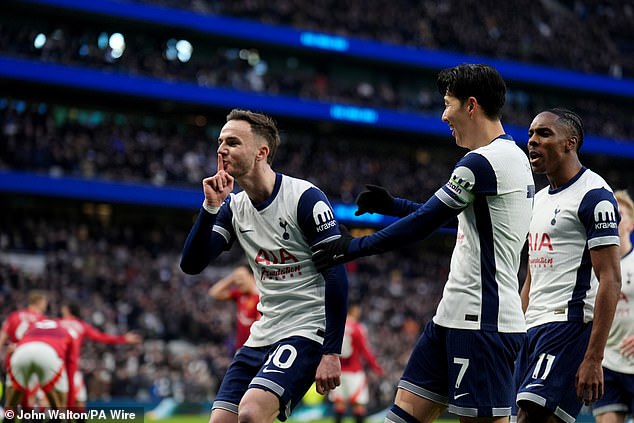
Tottenham Hotspur, one of the most storied clubs in the Premier League, has recently taken a subtle yet significant step in how they want to be referred to by broadcasters worldwide. The club has requested that they be called by their full name, "Tottenham Hotspur," or their commonly used nickname, "Spurs," but never simply "Tottenham." This change was first noticed by keen-eyed viewers of Sky Sports during the club’s 1-0 victory over Manchester United last Sunday. In a graphic, Ange Postecoglou was described as the "Tottenham Hotspur Head Coach," a departure from the previous usage of just "Tottenham" in a graphic during the side’s 3-2 defeat by Everton in January.
The Email that Sparked the Discussion
The Athletic uncovered that this change was not a coincidental oversight but a deliberate instruction from the club. On February 10, Tottenham Hotspur sent an email titled "Tottenham Hotspur Naming Update" to Premier League broadcasters, laying out the new guidelines. The email stipulated that the club should be primarily known as "Tottenham Hotspur," with "Spurs" being the preferred short version. They specifically asked that the club not be referred to as "Tottenham." According to the club, this distinction has been their stance since 2011, with their reasoning being that "Tottenham" is the name of an area, not the name of the club itself. This clarification underscores the importance the club places on its identity and heritage, separating itself from the broader geographical context.
A Legacy of Distinction
The club’s decision to emphasize their full name is rooted in a desire to stand out in a crowded football landscape. In a world full of teams with similar names—Uniteds, Citys, and Rovers—Tottenham Hotspur wants to ensure that their unique identity is preserved. The full name, "Tottenham Hotspur," not only honors the club’s storied history but also reinforces its distinctiveness. The term "Hotspur" itself has deep historical significance, dating back to the 16th century and the legendary Sir Henry Percy, known as "Harry Hotspur." This connection to a noble lineage is something the club cherishes and wants to highlight in every possible context.
The Brand Playbook: A New Chapter
The recent shift in naming conventions is part of a broader rebranding effort by Tottenham Hotspur. In November last year, the club rolled out a "Brand Playbook," a comprehensive guide designed to ensure consistency in how the club is represented and communicated. This playbook contains a specific paragraph that makes it clear how the club wants to be described: "In a world full of Uniteds, Citys and Rovers, there is only one Hotspur, Tottenham Hotspur. When referring to the team or the brand, please use ‘Tottenham Hotspur’, ‘Tottenham Hotspur Football Club’ or ‘THFC’. Never refer to our Club as ‘Tottenham’, ‘Tottenham Hotspur FC’ or ‘TH’." This document is a testament to the club’s attention to detail and their commitment to maintaining a strong, coherent brand identity.
The Chairman’s Vision
Tottenham Hotspur’s chairman, Daniel Levy, has been a driving force behind this rebranding effort. Known for his meticulous approach to the club’s business and operational aspects, Levy believes that the club’s name is a crucial component of its brand. By insisting on the use of "Tottenham Hotspur" or "Spurs," the club aims to strengthen its global recognition and differentiate itself from other teams. This move is also a nod to the loyal fan base that has long referred to the club as "Spurs," a nickname that has been a part of the club’s culture for decades.
A Strategic Move for the Future
The decision to request broadcasters to use the full name or the nickname "Spurs" is more than just a matter of preference; it is a strategic move to enhance the club’s brand and market position. In an era where football clubs are increasingly seen as global brands, every aspect of their identity can play a role in attracting new fans and investors. By clearly defining how they want to be referred to, Tottenham Hotspur is taking a step towards ensuring that their heritage and unique identity are not overshadowed by the commonality of the area name "Tottenham." This change may seem minor, but it reflects the club’s ambitions to stand out on the international stage and to continue building a brand that is as strong and recognizable as their storied history.