
A Return to Tradition: The Yankees and "New York, New York"
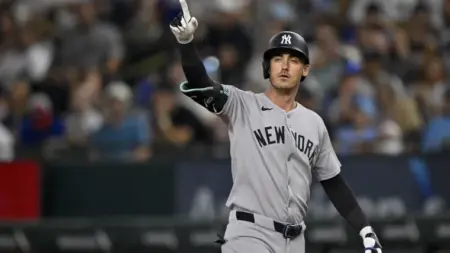
The New York Yankees are making a significant change to their long-standing tradition by playing Frank Sinatra’s version of "Theme From New York, New York" only after home victories, reverting to the original custom set by owner George Steinbrenner in 1980. This decision comes as part of the team’s efforts to enhance the fan experience and address the fatigue felt by players and staff who have had to endure a celebratory song following losses. The change was implemented after a 4-0 spring training loss to Detroit at George M. Steinbrenner Field, where the Yankees played Sinatra’s 1966 recording of "That’s Life," a song originally written by Dean Kay and Kelly Gordon in 1963.
The Historical Significance of "New York, New York"
"New York, New York" has a rich history that intertwines with both the city and the Yankees. The song, with music by John Kander and lyrics by Fred Ebb, was first performed by Liza Minnelli in the 1977 Martin Scorsese film "New York, New York." Sinatra recorded his version in 1980 as part of his album "Trilogy: Past Present Future." According to former team media relations director Marty Appel, Steinbrenner was introduced to the song by a disc jockey at Le Club, a Manhattan restaurant and disco. The Yankees initially alternated between the Sinatra and Minnelli versions, playing the former after wins and the latter after losses. Over time, the Sinatra rendition became the go-to celebratory song, played after all final outs, regardless of the outcome.
Addressing Player and Staff Fatigue
The decision to play "New York, New York" only after home wins was driven by the players and staff, who found the constant repetition of a celebratory song after losses to be demoralizing. This psychological impact on the team cannot be overstated, as the post-game environment plays a crucial role in the team’s morale and camaraderie. By reverting to the original custom, the Yankees hope to create a more positive and uplifting atmosphere, especially during the challenging times that inevitably come with the sport.
The End of the Beard Ban
In a separate but related move, the Yankees have also lifted the ban on beards, a policy imposed by George Steinbrenner in 1976. This prohibition was seen as a way to maintain a professional and clean-cut image, but over the years, it has become a point of contention among players. The team’s decision to lift the ban was influenced by concerns that it might hinder player recruitment. Hal Steinbrenner, who took over as controlling owner in 2008, has been more open to modernizing the team’s approach, recognizing the importance of player satisfaction and team cohesion.
Modernizing the Yankees: Balancing Tradition and Progress
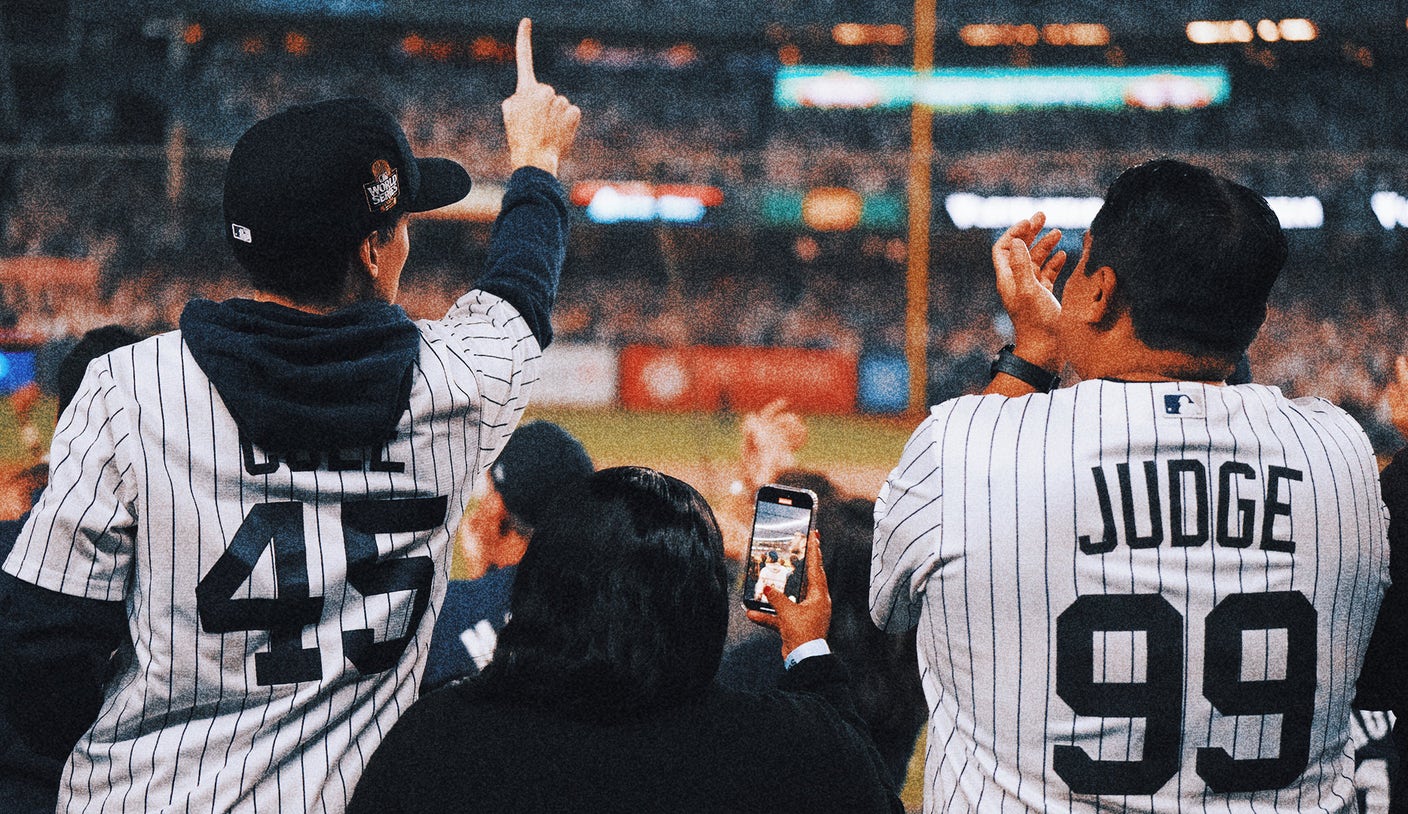
These changes reflect a broader effort by the Yankees to balance their rich history with the evolving expectations of modern baseball. The team has always been known for its tradition and the iconic symbols that define it, from the pinstripes to the singing of "New York, New York." However, the modern era brings new challenges and opportunities, and the Yankees are adapting to ensure they remain competitive and appealing to both players and fans. By listening to the feedback from players and staff and making thoughtful changes, the team is demonstrating a commitment to continuous improvement and a willingness to evolve while honoring their legacy.
Looking Forward: A Brighter Future for the Yankees
The Yankees’ decisions to play "New York, New York" only after wins and to lift the beard ban are symbolic of a team that is moving forward with purpose. These changes are not just about the immediate impact on player morale and recruitment; they are also about creating a more positive and engaging experience for fans. The Yankees have a storied history, and by embracing these changes, they are showing that they are not afraid to evolve while maintaining the essence of what makes them one of the most beloved and successful franchises in sports. As the team continues to navigate the challenges of the modern era, fans can look forward to a bright future, where tradition and progress go hand in hand.