
A Heist of Epic Proportions: The Arizona Train Robbery
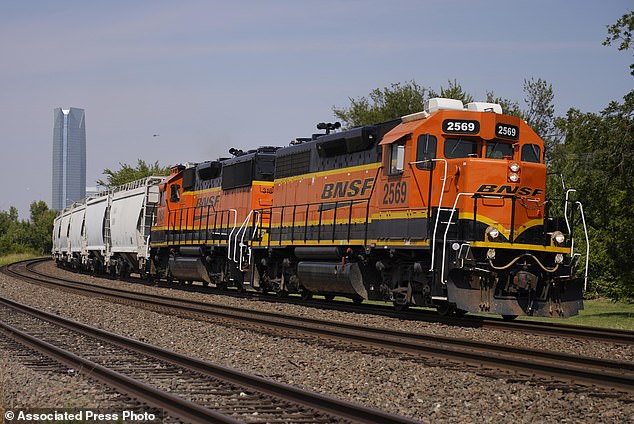
In a daring and audacious crime that has sent shockwaves through the sports apparel industry, nearly 2,000 pairs of Nike Air Jordans were stolen from a BNSF freight train in Arizona last month. The theft, which netted the culprits over $440,000 worth of loot, was meticulously planned and executed. According to a criminal complaint filed in federal court in Phoenix and obtained by DailyMail.com, the suspects, mostly undocumented migrants, cut an air brake hose on the train, rendering it motionless and allowing them to board and loot the cargo. Among the stolen items were the highly anticipated Nigel Sylvester x Air Jordan 4s, which are not set to be available to the public until March 14 and are expected to retail at $225 per pair. However, on the resale market, these sneakers can fetch upwards of $2,500 or more, making them a lucrative target for thieves.
A Pattern of Predation: The Mojave Desert Train Heists
This incident, while shocking, is not an isolated one. Authorities have revealed that at least 10 heists targeting BNSF trains have occurred in remote areas of the Mojave Desert since last March, with all but one resulting in the theft of Nike sneakers. The Los Angeles Times reported on Sunday that these thefts are part of a larger, more organized criminal network. Keith Lewis, vice president of operations at Verisk’s CargoNet and a deputy sheriff in Arizona, explained that the thieves often scout merchandise on rail lines that parallel Interstate 40. They board slow-moving trains, such as when they are changing tracks, and open containers to access the valuable cargo. The thieves are sometimes tipped off to valuable shipments by associates working at warehouses or trucking companies, adding a layer of sophistication to their operations.
The Mastermind Behind the Heists
Felipe Arturo Avalos-Mejia, known as ‘Pollo,’ was apprehended last June for thefts of Nike shoes in excess of $1,000. According to the federal complaint, Avalos-Mejia is described as the ‘leader of these burglar crews.’ His role extends beyond mere participation; he directs the crews both in person and through cellular communication, supplies vehicles, pays the crews, and facilitates the sale of the stolen merchandise. This level of organization and coordination suggests a well-structured criminal enterprise, one that has been operating with relative impunity until recently. The apprehension of Avalos-Mejia and his crew marks a significant step in disrupting these operations, but the challenge remains in preventing future heists.
The Economic Impact of Train Thefts
The economic toll of these train thefts is substantial. The Association of American Railroads (AAR) estimates that the nation’s six largest freight railroads lost more than $100 million last year due to a combination of the value of stolen goods and the cost of repairing damaged railcars. The problem is getting worse, with the number of thefts jumping roughly 40 percent last year to 65,000 nationwide. The railroads have invested millions in measures to prevent such thefts, but the sheer scale of their operations—over 140,000 miles of track across the country—makes it difficult to restrict access and ensure security. These tracks traverse remote, rural areas and cut through the heart of many cities, carrying a wide array of goods from bulk commodities like coal and grain to high-value items like electronics and sports apparel.
The Role of Technology in Combating Theft
Despite the challenges, technology has played a crucial role in catching some of the thieves. In the January 13 heist, the suspects were apprehended with the help of tracking devices that were inside some of the boxes. This technological intervention has been a double-edged sword for the railroads. While it aids in the recovery of stolen goods and the arrest of perpetrators, it also highlights the vulnerabilities in their security systems. In another case, a BNSF train came to an emergency stop near Hackberry, Arizona, on November 20 after it started losing air. Sheriff’s deputies in Mohave County stopped a white panel van seen leaving the area and found about 180 pairs of then-unreleased Air Jordan 11 Retro Legend Blue sneakers valued at $41,400. The driver pleaded not guilty to possessing or receiving goods stolen from interstate shipment. Similar incidents in April and June resulted in the recovery of $346,200 worth of then-unreleased Nike Air Jordans, and two other cases near Kingman and Seligman, Arizona, last year led to the theft of $612,000 worth of Nikes and eight arrests.
A Call for Enhanced Security and Penalties
The railroads and law enforcement agencies are calling for enhanced security measures and tougher penalties to deter these thefts. The AAR has stated that additional federal enforcement and stricter penalties are necessary to combat the chronic problem of train thefts. BNSF, in a statement to the Times, noted that its internal police force shares information with local law enforcement and prosecutors as appropriate. However, the company also emphasized that its crews are instructed not to confront thieves but to report incidents instead, as the trains are so long and the thieves are adept at evading detection. The audacious thefts in 2022, where thieves raided cargo containers aboard trains nearing downtown Los Angeles for months, left the tracks littered with discarded boxes and prompted authorities and freight companies to step up security in the area. As the industry continues to grapple with this issue, the need for a comprehensive and coordinated approach to security and law enforcement becomes increasingly apparent.