
Patrick Mahomes’ Contract and the Chiefs’ Financial Future
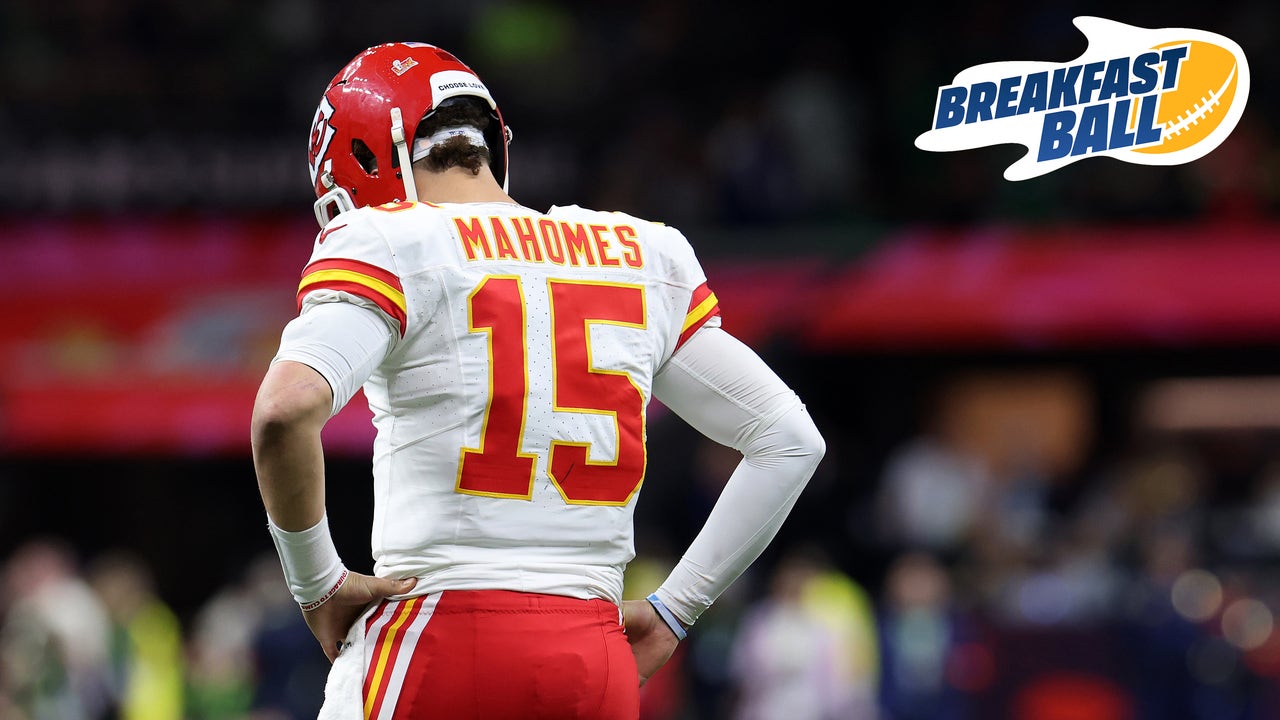
Patrick Mahomes, the electric quarterback of the Kansas City Chiefs, has been a linchpin of the franchise’s success since he took the helm. However, the financial landscape of the team is about to change drastically in 2025, when Mahomes’ cap hit is projected to soar to a staggering $66 million. This significant increase in his salary cap figure has sparked intense discussions among football analysts and fans alike, wondering how the Chiefs can navigate this financial challenge while continuing to field a competitive team.
The Impact of Mahomes’ Cap Hit
The impact of Mahomes’ $66 million cap hit in 2025 is multifaceted. On one hand, it reflects the unparalleled value and talent he brings to the field. His ability to read defenses, make precise throws, and lead the team to victory has been instrumental in the Chiefs’ recent success, including multiple Super Bowl appearances. On the other hand, this cap hit will severely restrict the team’s ability to allocate funds to other positions, potentially weakening the roster’s overall depth and versatility.
Strategic Financial Planning
Given the impending financial strain, the Chiefs are expected to explore various avenues to manage their salary cap. One common strategy in the NFL is contract restructuring. This involves modifying the existing contract to reduce the current cap hit by converting a portion of the base salary into a signing bonus, which is then spread out over several years. Craig Carton, Danny Parkins, and Mark Schlereth, well-known football analysts, have discussed the feasibility of this approach for the Chiefs. While it can provide some immediate relief, the long-term implications must be carefully considered, as it can lead to higher cap hits in future years.
Navigating the Free Agency Market
Another crucial aspect of the Chiefs’ strategy will be how they approach the free agency market. With limited financial flexibility, the team may need to prioritize retaining key players and filling essential gaps with cost-effective options. This could mean signing younger, less experienced players who command lower salaries but have the potential to grow into important contributors. The Chiefs will also have to be more strategic in their use of the salary cap, possibly exploring trade options to acquire talent without breaking the bank.
Enhancing the Roster Through Drafting
The NFL Draft will be a vital tool for the Chiefs to build and maintain a competitive roster. Mark Schlereth has emphasized the importance of drafting players who can immediately contribute to the team and develop over time. With a focus on value picks, the Chiefs can find hidden gems in later rounds who can fill roles and provide depth. Additionally, developing a strong scouting and player development program will be crucial to ensure that these drafted players are ready to step in and perform when needed.
Balancing Short-Term Success and Long-Term Viability
The challenge for the Chiefs is to balance short-term success with long-term viability. Craig Carton has pointed out that the team must be careful not to mortgage their future by overspending in the present. This requires a comprehensive and forward-thinking approach to financial management, including prudent contract negotiations, strategic trades, and disciplined spending. The Chiefs’ front office will need to demonstrate a high level of expertise and foresight to ensure that the team remains a perennial contender despite the financial constraints imposed by Mahomes’ contract.
Community and Fan Support
Finally, the Chiefs’ ability to remain competitive will also be influenced by the support of their fans and the broader community. The passionate fan base in Kansas City can help drive ticket sales, merchandise revenue, and local sponsorships, providing the team with additional financial resources. This community support, combined with the team’s strategic financial planning, will be essential in weathering the storm and continuing to field a team capable of contending for the Super Bowl in the years to come.