
AFL’s Path to State of Origin: A Vision for 2026
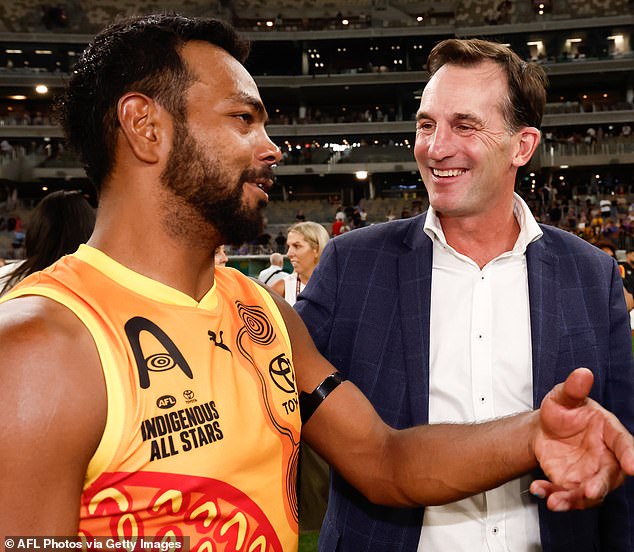
AFL boss Andrew Dillon is contemplating the revival of State of Origin fixtures, a move that could breathe new life into the league’s representative football landscape. Following the overwhelming success of the Indigenous All Stars match in Perth, Dillon is set to propose the idea to players and coaches for 2026. The Indigenous All Stars match, held at Optus Stadium on February 15, showcased a significant buy-in from all stakeholders, which Dillon attributes to its thriving success. He is committed to the Indigenous All Stars match, whether it is played annually or every couple of years, but is also open to exploring other representative formats, including the return of State of Origin.
The Indigenous All Stars: A Resounding Success
The Indigenous All Stars match was a spectacular display of football and cultural pride. Players, coaches, and fans alike embraced the event, which featured a memorable war cry from Kysaiah Pickett and outstanding performances from players like Nasiah Wanganeen-Milera. The match highlighted the deep connection and engagement of the players, which Dillon believes is essential for the success of any representative competition. Fremantle, the opposing team, also played a crucial role by fully embracing the concept, demonstrating the league’s commitment to celebrating Indigenous culture and talent.
The Legacy of State of Origin
State of Origin, a revered tradition in Australian football, saw its last interstate match between Victoria and South Australia in 1999. Unlike rugby league, where the State of Origin series is an annual highlight, the AFL has not maintained a regular representative competition. Dillon is keen to change this, recognizing the potential for State of Origin to reinvigorate fan interest and player engagement. He believes that the collective enthusiasm for the Indigenous All Stars match is a strong indicator of the players’ and clubs’ willingness to support a State of Origin revival.
Player and Club Engagement: The Key to Success
Dillon emphasizes that the success of any representative competition hinges on the buy-in from players and clubs. The enthusiasm of the Indigenous All Stars players was evident, and this enthusiasm extended to the clubs, which saw the value in supporting the event. Dillon notes that when players are highly engaged, representative football is at its best. The positive reception from both players and clubs has bolstered his confidence in the potential for a successful State of Origin competition.
Timing and Feasibility: A Careful Consideration
While Dillon is optimistic about the possibility of State of Origin returning, he acknowledges that finding the right time is crucial. The AFL season is already densely packed, and adding a new competition requires careful planning to avoid disrupting the existing schedule. Dillon is open to discussing the timing with all stakeholders, including players, coaches, and clubs, to ensure that a State of Origin competition can be integrated seamlessly. He does not rule out the possibility of it happening as early as 2026, but emphasizes the importance of getting the timing and format right to ensure the event’s success.
A Vision for the Future
The success of the Indigenous All Stars match and the potential revival of State of Origin represent a promising future for AFL. Dillon’s vision is to create a representative football landscape that celebrates the rich cultural heritage of Australia while providing players with new and exciting opportunities. The collective enthusiasm and buy-in from all stakeholders suggest that this vision is not only achievable but highly anticipated. As the league moves forward, the revival of State of Origin could become a cornerstone of the AFL’s representative football, enhancing the league’s appeal and fostering a deeper connection with fans and players alike.