

Iga Swiatek’s Unfortunate Doping Ban
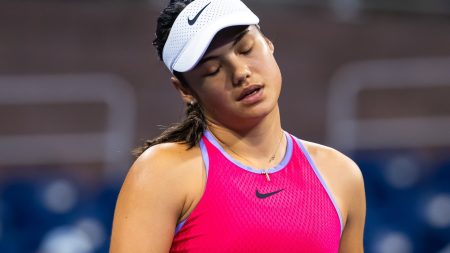
Tennis star Iga Swiatek, currently ranked World No.2 and a four-time French Open winner, has found herself embroiled in a doping controversy, resulting in a one-month suspension. The grounds for this ban stem from a failed out-of-competition drug test in August, where the banned substance trimetazidine (TMZ) was detected in her system. This shocking news has sent ripples through the tennis community, casting a shadow over the young Polish player’s stellar career. Despite the temporary setback, Swiatek’s resilience and dedication to her sport remain unwavering.
The Positive Test and Initial Reaction
The 23-year-old Swiatek was quick to protest her innocence when the positive test came to light. She claimed that the presence of TMZ in her system was due to her inadvertent ingestion of a contaminated melatonin supplement, a common sleep aid. The International Tennis Integrity Agency (ITIA) has accepted her explanation, acknowledging the highly unusual nature of the situation. However, they have still imposed a one-month period of ineligibility, citing a lack of "due diligence" on Swiatek’s part in ensuring the purity of the supplements she used. This decision highlights the strict liability framework under which athletes operate, where they are ultimately responsible for any banned substances found in their system, regardless of the circumstances.
An Emotional Response
Swiatek took to Instagram to share her feelings and provide context to her fans and the public. In an emotional post, she wrote, "I’m finally allowed, so I instantly want to share with you something that became the worst experience of my life. In the last 2.5 months, I was subject to strict ITIA proceedings, which confirmed my innocence. The only positive doping test in my career, showing unbelievably low levels of a banned substance I’ve never heard about before, put everything I’ve worked so hard for my entire life into question." Her words convey the depth of the stress and anxiety she and her team have endured, emphasizing the personal and professional toll of this ordeal.
Moving Forward with Strength
Despite the challenging period, Swiatek expressed her determination to come back stronger. "Both me and my team had to deal with tremendous stress and anxiety. Now everything has been carefully explained, and with a clean slate, I can go back to what I love most. I know I will be stronger than ever. I’m leaving with you a long video, and right now, I’m just relieved it’s over," she continued. Her openness and vulnerability in sharing her experience reflect her commitment to transparency and her deep connection with her fan base. Swiatek’s resilience and positive outlook offer hope and inspiration, especially to young athletes facing similar challenges.
The ITIA’s Perspective
Karen Moorhouse, CEO of the ITIA, provided insight into the decision. "Once the source of the TMZ had been established, it became clear that this was a highly unusual instance of a contaminated product, which in Poland is a regulated medicine. However, the product does not have the same designation globally, and the fact that a product is a regulated medication in one country cannot of itself be sufficient to avoid any level of fault." Moorhouse’s statement underscores the complexity and international nature of doping regulations, highlighting the need for athletes to be vigilant and informed about the substances they consume, regardless of their local regulations.
Lessons and Support
This case serves as a stark reminder for tennis players and athletes in general about the strict liability nature of the World Anti-Doping Code. Moorhouse emphasized, "It is vital that appropriate due diligence takes place to minimize the risk of inadvertent ADRVs such as this. Help and support are available to players and their entourages, both directly through the ITIA and through other organizations and schemes which check and test products." Swiatek’s ban, while a setback, also opens a dialogue about the importance of thorough research and testing of supplements and medications, encouraging the tennis community and sports organizations to take a more proactive role in preventing such incidents in the future. Her period of ineligibility will end on December 4, after which she will return to the tennis court with renewed vigor and a deeper understanding of the complexities of athletic integrity.