
A Culture of Fear: The New York Jets’ Struggle
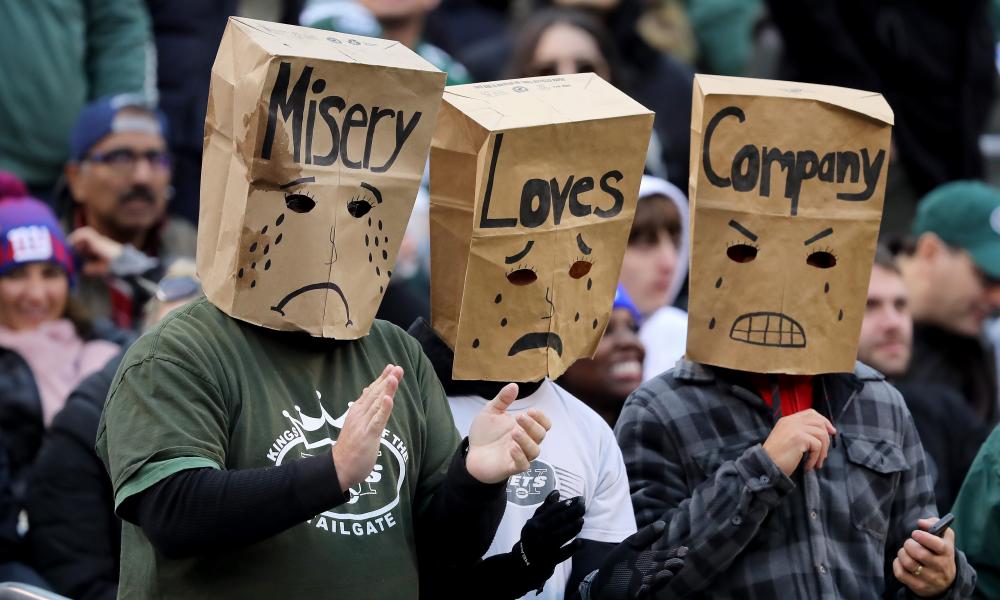
The New York Jets have once again found themselves at the bottom of the NFL Players Association (NFLPA) workplace survey, ranking 29th out of 32 teams. This year, they have been labeled the worst team for ownership, with players describing a pervasive "culture of fear" under owner Woody Johnson. The team’s drastic fall from 21st to 29th place in the overall rankings is a stark reflection of the issues bubbling beneath the surface. Players have cited numerous concerns, including a lack of investment in improvements, an absence of a positive workplace culture, and a lack of commitment to building a competitive team. Johnson’s leadership has come under intense scrutiny, with players expressing fears about job security and a general sense of mistrust. The Jets’ disappointing 5-12 record in the 2024 season and the recent firing of their head coach have only added to the mounting pressure. Reports that Johnson’s teenage son, Brick, had a say in team decisions have further fueled the perception of a dysfunctional organization.
Washington Commanders: A Drastic Turnaround
In stark contrast to the Jets, the Washington Commanders have experienced a significant turnaround in their workplace conditions. Following the forced sale of the franchise by Daniel Snyder in 2023, new owner Josh Harris vowed to transform the team’s reputation. Harris’s commitment to change was evident in the Commanders’ leap from 32nd to 11th in the overall rankings. His bold statement, “I’m not an F-minus guy,” resonated with players and fans alike, and he has delivered on his promise. Under first-year head coach Dan Quinn, the team achieved a surprising 12-5 record and made it to the NFC Championship Game. Players gave Quinn an A+ grade, recognizing his leadership and the positive changes he brought to the organization. The Commanders also improved their food services, travel accommodations, and family support, earning a B grade in the survey. This transformation underscores the impact that visionary leadership and a commitment to player well-being can have on a team’s performance and reputation.
Philadelphia Eagles: Steady Progress and Consistent Investment
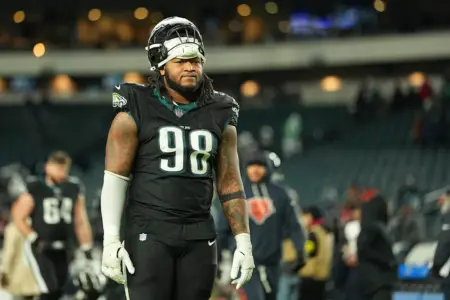
The Philadelphia Eagles, the Super Bowl champions, have also seen a significant improvement in their workplace standing. After finishing 14th last year, they have climbed into the top 10, reflecting the team’s continued investment in their facilities and staff. Players praised the organization’s commitment to performance and player well-being, highlighting the winning culture that permeates both on and off the field. The Eagles’ consistent investment in state-of-the-art facilities, advanced training programs, and top-notch medical care has created an environment where players feel valued and supported. This focus on player development and well-being has not only enhanced the team’s performance but has also fostered a sense of loyalty and trust among the players. The Eagles’ success serves as a model for other teams looking to build a sustainable and competitive organization.
Top-Ranked Teams: Leading by Example
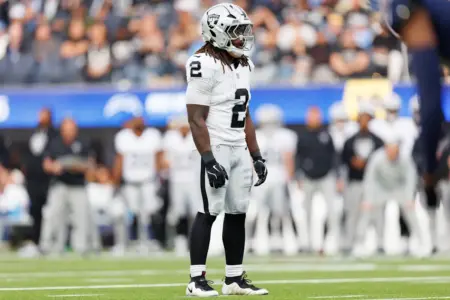
For the second consecutive year, the Miami Dolphins have been ranked as the NFL’s best workplace, followed closely by the Minnesota Vikings, Atlanta Falcons, Las Vegas Raiders, and Los Angeles Chargers. The Falcons, in particular, made the most significant leap, jumping from 25th to third, thanks to major facility upgrades, a new strength staff, and first-year head coach Raheem Morris’s A+ grade. The team’s commitment to investing in player development and creating a supportive environment has been a key factor in their rapid improvement. The Houston Texans, Green Bay Packers, and San Francisco 49ers also ranked in the top eight, further demonstrating the league’s overall commitment to improving working conditions. These top-ranked teams serve as role models, showing that a focus on player well-being and organizational excellence can lead to both on-field success and a positive workplace culture.
League-Wide Improvements and Persistent Challenges
While the league has seen overall improvements in working conditions, challenges remain. The NFLPA’s report card survey, now in its third year, gathered responses from 1,695 players, representing 77% of the union’s active and practice squad members. Players awarded their teams 41% more A-minus or better grades than last year, while D-plus ratings fell by 51%. The survey highlights the league’s efforts to resolve past issues, such as dirty shower water, rats, and unstable weight room floors. However, the Falcons reported a ventilation issue in their locker room that caused “major complaints” about odor, indicating that there is still room for improvement. NFLPA executive director Lloyd Howell emphasized that the survey’s primary goal is to drive positive change, not to shame teams. He noted that the initiative is about holding organizations accountable and encouraging them to be responsible. The league’s progress in this area is a testament to the NFLPA’s ongoing efforts to enhance the working conditions of its players.
The Road Ahead: Addressing the Root Causes
The NFLPA’s workplace survey has brought to light the stark contrasts between teams like the New York Jets and the Washington Commanders. While some teams have made significant strides, others continue to lag behind, highlighting the importance of strong leadership and a commitment to player well-being. The Jets’ "culture of fear" and the Commanders’ dramatic turnaround serve as cautionary and inspirational tales, respectively. As the league continues to evolve, the focus on creating a positive and supportive environment for players remains paramount. The NFLPA’s ongoing efforts to drive positive change and hold teams accountable are crucial in ensuring that all players can perform at their best in a safe and supportive workplace. The journey to a better NFL is ongoing, and the league’s top-ranked teams are leading the way.