
The Fine and Its Cancellation
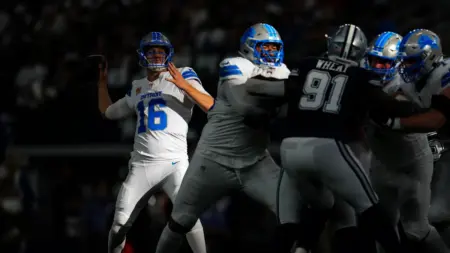
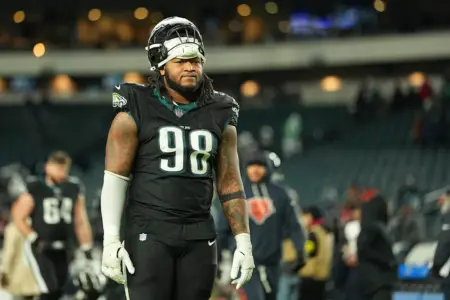
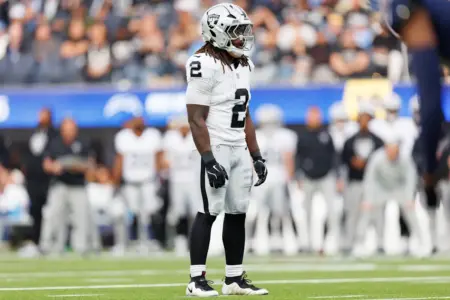
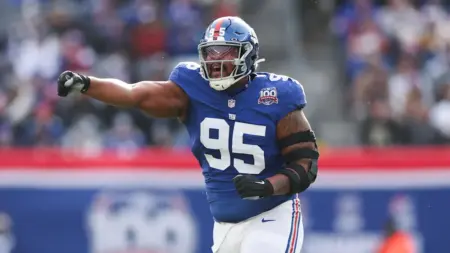
In a recent turn of events, the NFL fined two Houston Texans players, Joe Mixon and Will Anderson Jr., for comments made following their team’s playoff loss to the Kansas City Chiefs. However, on Tuesday, these fines were overturned on appeal. The reversal of these fines raises questions about the league’s approach to disciplining players for their public statements, especially considering the First Amendment rights that are, to some extent, limited by the terms of the Collective Bargaining Agreement (CBA).
The NFL’s Concerns and Rationale
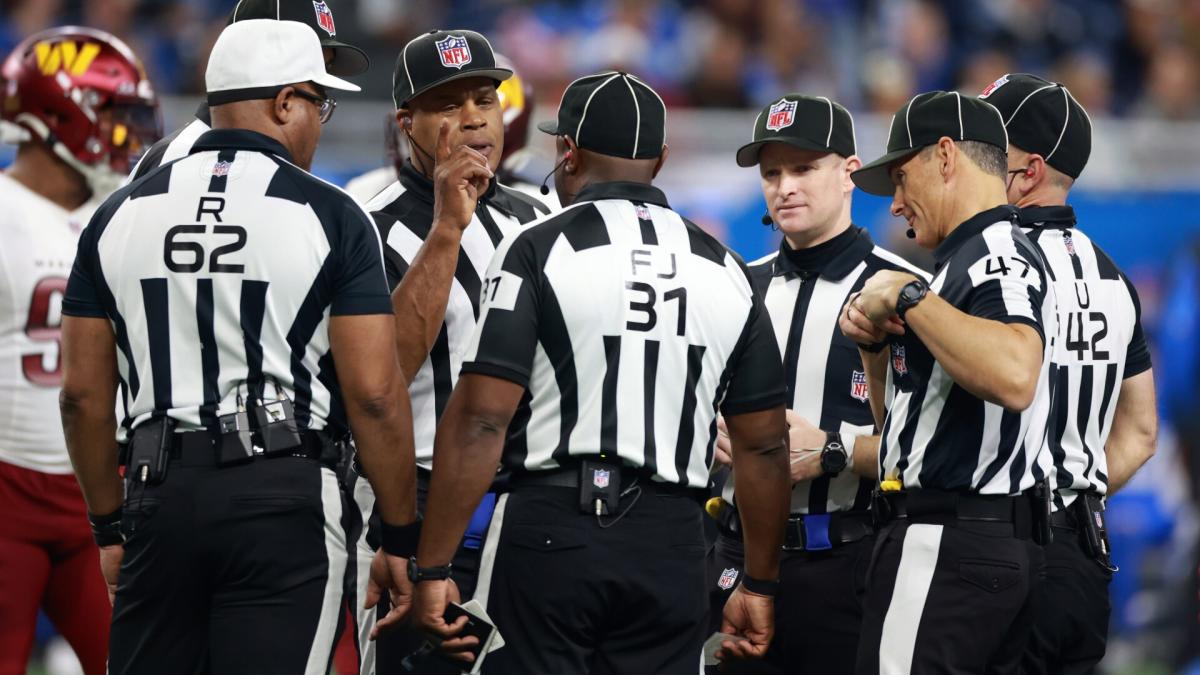
The NFL, we’ve been told, has a specific concern that drives its decision-making in such cases. The league is worried that criticism of current NFL officials might deter potential future officials from entering the profession. This concern is not altogether different from the issues that arose in 2009, when the league faced a concussion crisis. At that time, parents began steering their children away from football at the youth levels, fearing the health risks. This trend led to a reduction in the overall number of football players, potentially leading to a smaller pool of talent for the NFL.
The Ripple Effect on Talent Pools
Just as the reduction in youth football participation could have long-term consequences for the supply of future NFL players, the same logic applies to officiating. If individuals who might otherwise choose to become high-school officials decide that the job is too stressful—both during games and online due to modern technologies—the pool of potential NFL officials could shrink. The league faces a dual challenge: not only must it ensure that current officials can handle the pressure, but it must also make the profession attractive enough for the next generation to consider it a viable career path.
The NFL’s Strategy and Challenges
The NFL’s strategy for addressing this issue is to minimize any internal criticism of officials. By fining coaches, owners, executives, and players who speak out, the league hopes to protect its officials from becoming targets of nationwide criticism. However, this approach is fraught with challenges. For one, it can be seen as an attempt to stifle free speech, which is particularly sensitive given the public’s interest in professional sports. Moreover, it doesn’t address the root causes of why officials might be criticized in the first place.
The Financial Aspect
Another significant concern is the financial aspect. If the job of an NFL official becomes too difficult and unattractive, the only way to make it more appealing is to increase pay. This is something the league owners are generally reluctant to do. Therefore, the NFL is caught in a bind: it must find a way to make the job more attractive without significantly increasing costs. This is where the league’s efforts to minimize internal criticism come into play, as they aim to reduce one of the unattractive aspects of the job.
The Broader Implications
The issue of silencing internal criticism is one that extends beyond just officiating. It highlights a broader concern about the future sustainability of the sport. If more and more people opt out of officiating due to the negative aspects of the job, the NFL could see a significant talent drain. This could have far-reaching consequences, from the quality of officiating in games to the overall fan experience. As such, the league’s approach to managing criticism and maintaining the attractiveness of officiating as a profession is an issue worth monitoring closely.
In summary, the NFL’s decision to fine and then overturn the fines for Joe Mixon and Will Anderson Jr. is just the tip of a larger iceberg. The league’s efforts to protect its officials from criticism reflect a broader strategy to ensure the sustainability of the sport. However, the effectiveness and fairness of this strategy remain subjects of ongoing debate.