
The NFL Embraces Technology for First-Down Calls
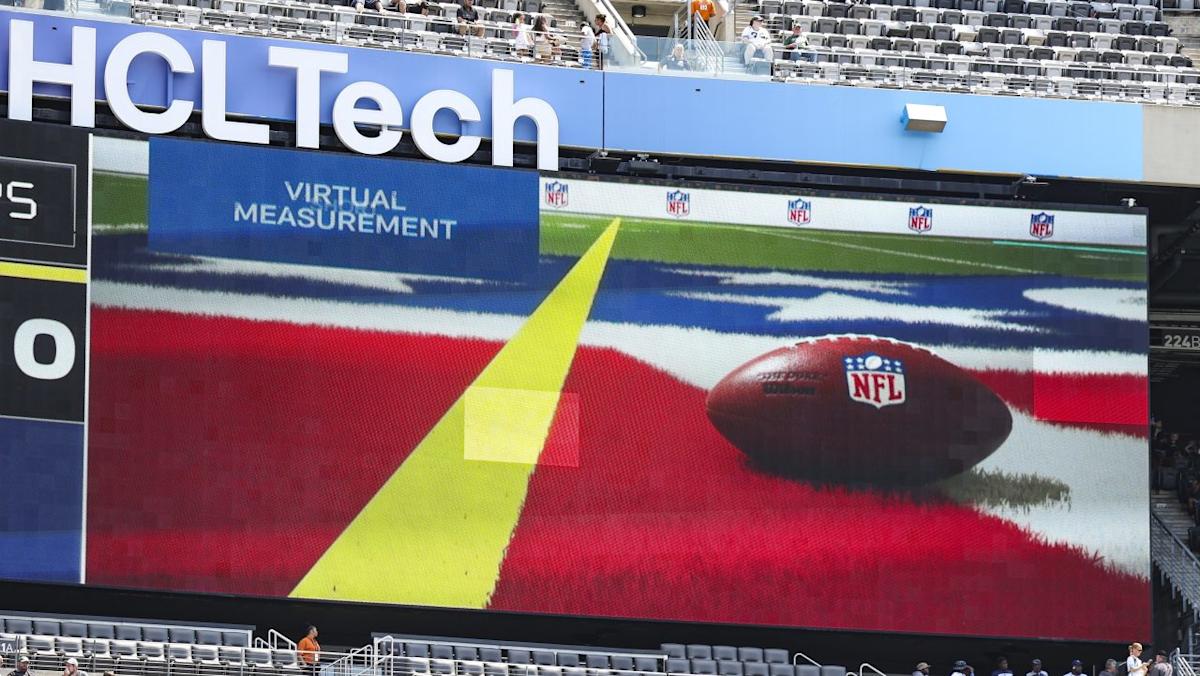
The National Football League (NFL) is poised to usher in a new era of precision and efficiency with the adoption of automated first-down measurement technology, slated for implementation in 2025. This decision, announced by league officials, represents a significant step forward in the integration of advanced technology into professional sports. While the technology promises to enhance the accuracy and speed of calls, it’s important to note that human referees will still play a crucial role in the game. The familiar sight of the chain gang and the manual spotting of the football will continue, both as a backup measure and to aid players and coaches on the sidelines.
The Role of Sony Hawk-Eye Technology
At the heart of this technological upgrade is the Sony Hawk-Eye system, which has been rigorously tested during the 2024 preseason. The system utilizes six 8k resolution cameras installed in each stadium to provide a comprehensive and precise view of the playing field. During the tests, the automated process took an average of 30 seconds to complete, a marked improvement over the 75 seconds required for the current manual process. The NFL’s competition committee must sign off on the new policy before it becomes official, but the initial results have been promising.
Balancing Tradition and Innovation
The NFL’s approach to innovation is guided by a philosophy of continuous improvement. Kimberly Fields, the NFL’s SVP of football business and innovation strategy, has emphasized that any new technology must enhance the existing process to be considered for implementation. The league’s commitment to this principle ensures that while technology is embraced, the integrity and spirit of the game are maintained. The physical chains will remain on the sidelines in 2025, not only as a failsafe but also as a familiar and reassuring presence for players and coaches.
Training and Adjustment Periods
To ensure a smooth transition to the new system, the NFL has planned a series of training and adjustment periods. Replay technicians in the league’s review center will work with the Hawk-Eye technology during the upcoming UFL season, gaining valuable experience and identifying any potential issues. Broadcasters and stadium presenters will also have the opportunity to adapt to the new process during the NFL preseason. This comprehensive approach underscores the league’s dedication to minimizing disruptions and maximizing the benefits of the new technology.
Lessons from Other Sports
The NFL is not alone in its pursuit of technological advancements. Major tennis tournaments and the NBA have already successfully implemented similar systems, with impressive results. In tennis, Hawk-Eye boasts an average accuracy within a couple of millimeters, though it hasn’t entirely eliminated controversy. The tool is also being tested for use in MLB strike zone reviews, further demonstrating its versatility and potential. These precedents provide valuable insights and models for the NFL as it continues to refine its own system.
The Future of Automated Ball-Spotting
While the 2025 implementation of automated first-down calls marks a significant milestone, the NFL’s ambitions extend even further. Commissioner Roger Goodell has expressed optimism about the potential for a fully automated ball-spotting system in the future. This system would rely on a combination of position-tracking microchips in the game balls and advanced algorithms to determine the precise location of the ball when a player is down. The challenges are numerous, but the NFL is committed to advancing this technology as quickly as possible to enhance the game for players, coaches, and fans alike.
The NFL’s journey toward a more technologically integrated future is a testament to the league’s commitment to innovation and excellence. As fans continue to witness these advancements, they can look forward to a game that remains as thrilling and competitive as ever, with the added benefit of increased accuracy and efficiency.