
New York Jets Face Steep Decline in NFLPA Report Card
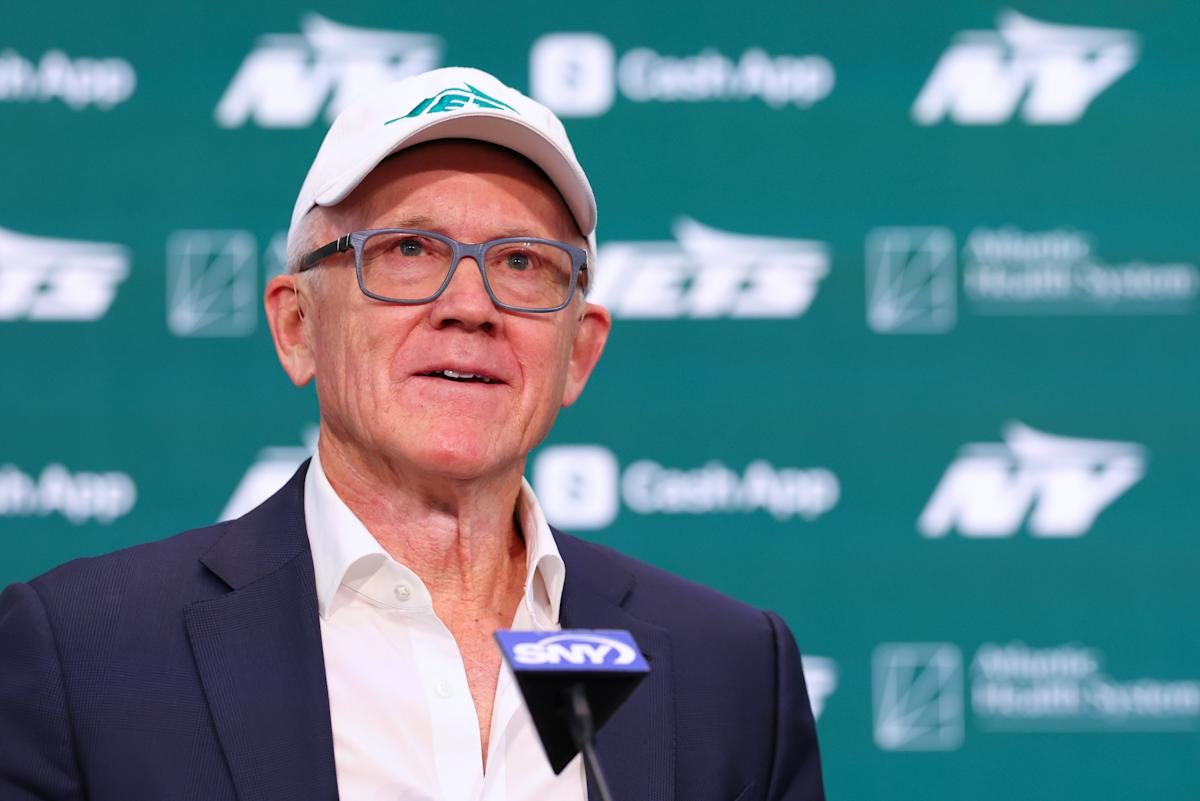
When the Washington Commanders ranked as the lowest-graded workplace in the league last year, new team owner Josh Harris wasted no time in addressing the issue, stating bluntly, “I’m not an F-minus guy.” Following a season of significant changes post-Daniel Snyder’s forced sale, the Commanders’ efforts paid off. They jumped from 32nd place to 11th in the NFLPA’s annual “report card” survey. Meanwhile, the New York Jets experienced a dramatic downturn, falling from 21st to 29th. Players raised concerns about team owner Woody Johnson’s reluctance to invest in improvements, his contribution to a negative culture, and his lack of commitment to building a competitive team. According to NFLPA chief strategy officer J.C. Tretter, the players’ feedback was particularly damning, with one respondent describing the Jets’ culture as “a culture of fear.”
Washington Commanders’ Remarkable Turnaround
The Washington Commanders’ turnaround is a testament to the impact of proactive leadership and player-centric improvements. First-year head coach Dan Quinn was overwhelmingly praised, ranking as the league’s most-liked coach. His efforts were instrumental in transforming a 4-13 team into a 12-5 squad that reached the NFC title game in his debut year. The Commanders also made strides in enhancing food services, travel, and family accommodations, which collectively contributed to their rise from an F-minus to a B in overall workplace grade. This improvement underscores the players union’s mission to foster better working conditions and highlights the positive changes that can be achieved with the right commitment and resources.
NFLPA’s Third Annual Team Report Card Survey
The NFLPA’s third edition of the Team Report Card is a pivotal tool for players as they navigate free agency. The survey, conducted from August 26 to November 20, gathered responses from 1,695 players, averaging 52.97 respondents per team and representing 77 percent of union membership across active and practice-squad rosters. At least 35 players from each team participated, with the New York Giants boasting the highest number of respondents at 68. These detailed insights help players evaluate workplace conditions, making informed decisions about their future. The data shows that progress is being made, with players awarding their teams 41% more grades of at least A-minus than the previous year (up from 81 to 114), and D-pluses dropping by 51% from 65 areas to 32. Only four areas across any teams received F-minuses, indicating a general trend toward better conditions.
Leading the Pack: Miami Dolphins and Minnesota Vikings
For the second consecutive year, the Miami Dolphins topped the list as the league’s best workplace. They were closely followed by the Minnesota Vikings, Atlanta Falcons, Las Vegas Raiders, and Los Angeles Chargers. The Falcons, in particular, saw a significant jump from 25th to third overall, thanks to major facility upgrades, a new strength staff, and the strong leadership of first-year head coach Raheem Morris, who ranked as the second-most liked coach behind Dan Quinn. The Houston Texans, Green Bay Packers, and San Francisco 49ers rounded out the top eight, demonstrating consistent efforts to maintain high standards in player welfare and team performance.
The Struggles of the Arizona Cardinals and Others
The Arizona Cardinals received the lowest grades for their workplace, a stark reflection of ongoing issues that have yet to be addressed. They were followed closely by the New England Patriots, Cleveland Browns, Jets, and Pittsburgh Steelers. These teams’ low rankings highlight the critical need for reforms in various aspects of player care, from facilities to management practices. The Cardinals’ poor showing suggests that despite some efforts, significant improvements are still required to meet the standards set by their peers. Similarly, the Patriots and Browns need to focus on creating a more positive and supportive environment for their players.
A Mission for Continuous Improvement
The NFLPA’s executive director, Lloyd Howell, emphasized that the report card is not a tool for shame but an instrument for driving real change. “It doesn’t mean you have to build a new building, but we’re saying, ‘Be responsible,’” Howell explained. The survey results show that teams are indeed taking responsibility and making improvements. Issues such as dirty shower water, rats, and unstable floor boards in weight rooms, which were previously reported, have seen marked improvements across the league. However, some challenges persist, like the Atlanta Falcons’ ventilation problems in their locker room, which led to “major complaints” about odor. Despite these ongoing issues, the NFLPA’s report card continues to push teams toward creating better, more humane working conditions for their players.