

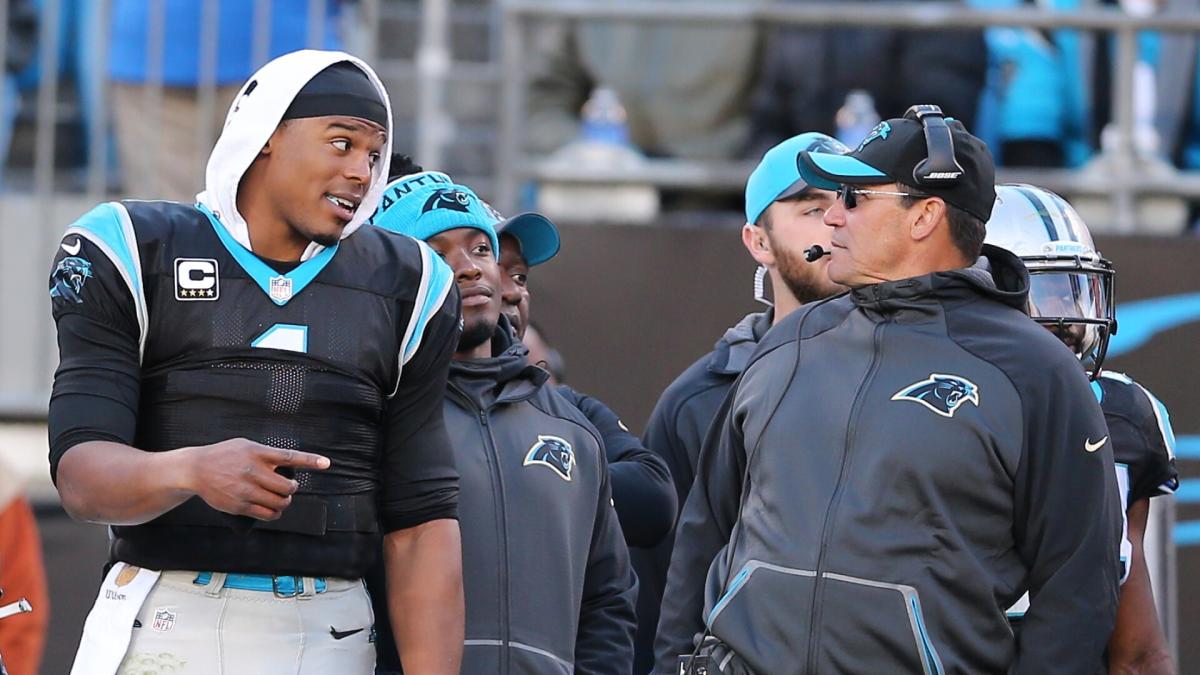
Cam Newton’s Controversial Statement
When former Carolina Panthers quarterback Cam Newton made headlines in 2011 by declaring that he had entered a "locker room full of losers," the football world was understandably taken aback. This bold and blunt statement came as Newton, the No. 1 overall pick in that year’s NFL Draft, joined a team that had just come off a disastrous 2-14 season in 2010. The comment was a thinly veiled criticism of the current players, suggesting that the team lacked the talent and drive necessary to turn things around. While Newton’s sentiment might have reflected his personal views on the state of the team, it was a significant misstep in terms of team morale and public relations.
The Context of Ron Rivera’s Arrival
2011 was also the inaugural year for Ron Rivera as the Panthers’ head coach. Rivera, a veteran in the NFL, had the monumental task of revitalizing a team that had been humbled by a string of poor performances. The 2-14 record in 2010 was a low point, and the organization was in desperate need of a booster shot. Rivera’s arrival brought a fresh perspective and a new approach to leadership, which was crucial in setting the foundation for the team’s future success. However, Newton’s brash statement could have undermined the coach’s efforts to foster a positive and collaborative environment right from the start.
Rivera’s Reflections on Newton’s Words
In a recent interview with Joe Person of The Athletic, Rivera shared his thoughts on Newton’s controversial remarks. "Sometimes things are better left unsaid," Rivera reflected. "And I’d loved to have seen him be a little more diplomatic." Rivera’s response highlights the importance of emotional intelligence and tact in a locker room, especially for a high-profile player like Newton who was expected to be a leader from day one. Rivera’s experience as a coach underscores the delicate balance between pushing players to perform better and maintaining their dignity and morale. His comments suggest that Newton’s words, while possibly meant to motivate, ultimately had the opposite effect.
The Turnaround and Super Bowl Success
Despite the initial friction, the 2011 Panthers began to show signs of improvement. Over the years, Rivera’s coaching and Newton’s leadership played pivotal roles in transforming the team. By 2015, the Panthers had achieved an incredible 15-1 record, culminating in a Super Bowl 50 appearance against the Denver Broncos. Although the team fell short in the championship game, the journey from a 2-14 team to a Super Bowl contender in just four years is a testament to the collective effort of the players and the coaching staff. Many of the players who were part of the 2010 roster, the same group Newton had dismissed, contributed significantly to this turnaround. Their resilience and ability to grow under Rivera’s guidance are a sharp contrast to Newton’s initial assessment.
Newton’s Current Situation
Now, years later, Newton is in a different place. He has had the opportunity to play for multiple teams and has experienced both the highs and lows of a professional career. Rivera’s comments serve as a reminder of the impact our words can have on those around us, especially in a team setting. Newton has had to live with and own up to his remarks, a process that has undoubtedly shaped his approach to leadership and team dynamics. His journey, marked by both personal achievements and setbacks, has been a learning experience that many in the sports world can relate to. It’s a reminder that even the most talented players must cultivate a positive and professional attitude to succeed and maintain strong team relationships.
The Broader Lesson
The controversy surrounding Newton’s comments offers a broader lesson about the power of words and the importance of empathy in sports. Teams are built on trust and mutual respect, and a single negative statement can erode that trust. Ron Rivera’s tenure with the Panthers, from the lows of 2010 to the highs of 2015, exemplifies the potential for transformation when leaders and players work together constructively. It’s a reminder that every player, regardless of their past performance, has the potential to contribute to a team’s success. Newton’s experience and Rivera’s reflections serve as valuable lessons for current and future athletes and coaches, emphasizing the need for thoughtful and considerate communication.