
The Troubled State of the New York Jets
Early in October, the New York Jets organization was reeling. Following a 2-3 start, owner Woody Johnson had fired head coach Robert Saleh, a move that sent shockwaves through the team. Despite still having 12 games left on the schedule, the atmosphere within the organization was tense. Staffers felt the season was beginning to unravel. The situation was exacerbated by the messy nature of Saleh’s firing, the powerless and paranoid position of General Manager Joe Douglas, and quarterback Aaron Rodgers’ growing frustration with ownership. Amid this chaos, some staffers began to entertain a radical idea: perhaps the upcoming presidential election could offer a solution. They hoped that a Trump victory might see Johnson appointed to an ambassadorship, effectively removing him from the day-to-day operations of the Jets. However, this hope was short-lived. Trump won the election but did not reappoint Johnson, leaving the Jets in the same precarious position.
The Lingering Hope for Change
The thought of Trump’s victory as a potential savior for the Jets was not an isolated one. Multiple sources within the organization saw the election as a possible compass fixer. However, the underlying motivation had nothing to do with political allegiances. It was entirely about Woody Johnson. The belief was that Johnson’s absence, through a new ambassadorial post, could provide the distraction the Jets needed to stabilize their operations. The idea was to give Johnson something else to focus on, reducing his influence on the team. Unfortunately, this scenario did not materialize. Johnson remained, and the Jets continued to struggle under his ownership. This situation has drawn comparisons to former Washington Commanders owner Dan Snyder, who ran his team into the ground before being forced out.
The Aftermath of Management Changes
The aftermath of Johnson’s continued presence has been tumultuous. Joe Douglas, despite it being his dream job, was eventually fired and reportedly felt a sense of relief. The search for the next head coach led to the hiring of Aaron Glenn, who was seen as someone with the potential to finally take control on game day. The general manager search, which featured former NFL executive Rick Spielman helping run the process, culminated in the hiring of Darren Mougey from the Denver Broncos. Mougey, in turn, brought Spielman on as a senior advisor, a sequence of events that, while explainable in the NFL’s buddy network, looked at least a little odd.
A Brutal Player Evaluation
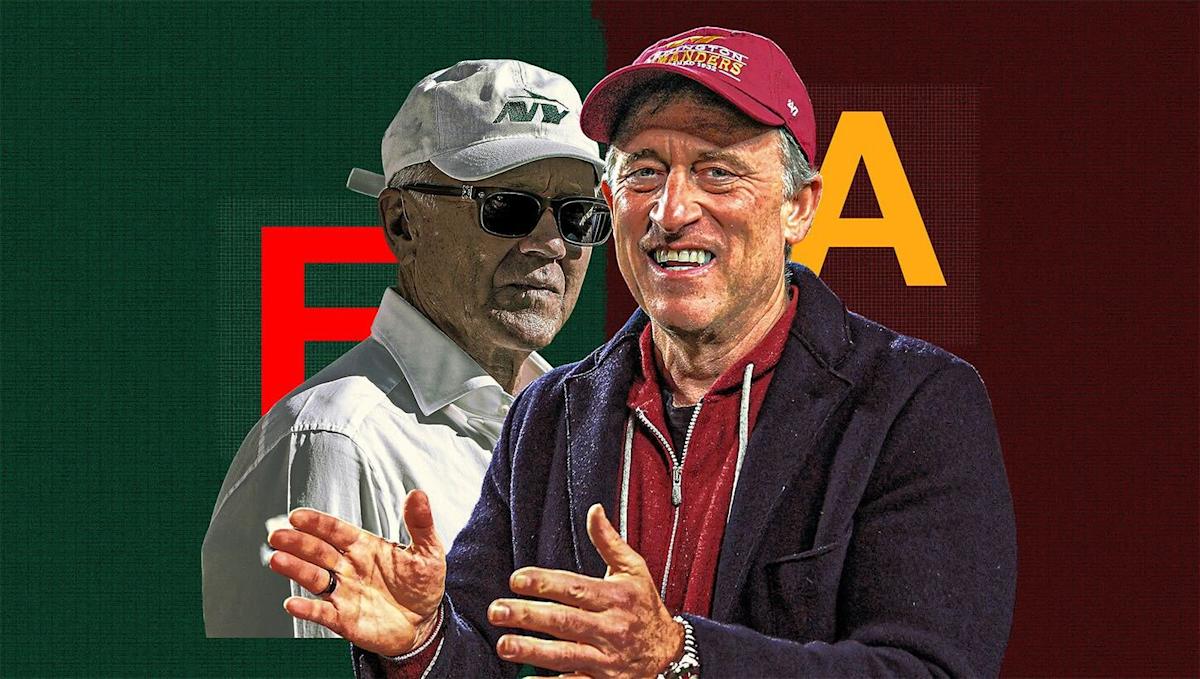
The NFL Players Association (NFLPA) released its annual confidential player-polled report card in early October, which offered a scathing assessment of Woody Johnson. The report card was brutal in its criticism, giving Johnson the only "F" rating among all NFL owners. Jets players rated Johnson’s perceived willingness to invest in facilities at 5.58 out of 10, ranking him 32 out of 32 owners. They also felt he did not contribute to a positive team culture, again ranking him 32 out of 32. His commitment to building a competitive team was ranked 31 out of 32. The report also noted that the Jets had dropped from 21st to 29th overall, and players believed that management’s response to feedback was to make conditions worse. For instance, after receiving low grades for their food program, the team reportedly cut the food budget and let go of their long-time dietitian, who later joined the Kansas City Chiefs and contributed to significant improvements there.
The Dan Snyder Parallel
The comparison to Dan Snyder is apt. For decades, Snyder was a pariah among NFL owners, known for his mismanagement of the Washington Commanders. His tenure was marked by on-field failure and off-field controversies. After he was forced to sell the team, the Commanders experienced an immediate renaissance under new owner Josh Harris. The players’ feedback reflected this, with the Commanders’ overall rating improving from 32nd to 11th in just two years. The NFL’s owners and Commissioner Roger Goodell, while not publicizing it, are acutely aware of bad owners like Johnson and Snyder. Johnson, who owns a franchise in one of the largest and most visible markets in the country, has not quite reached Snyder’s level of failure but is trending in that direction. The failure rate under Johnson’s tenure, with the team winning less than 43% of their games, is concerning.
The Path Forward
Despite an investigation by the U.S. State Department into allegations of racist and sexist remarks during Johnson’s tenure as UK Ambassador, the probe was ultimately closed as "unsubstantiated." However, the mere existence of such an investigation is troubling. Johnson has acknowledged the need to improve, stating in late January that he is "trying to be better." However, the history of ineffective NFL owners suggests that such proclamations are often hollow. The key for Johnson is to start listening to unsolicited reviews, particularly those from the players. The message from the players is clear: the owner is the first problem. Until Johnson addresses this, the Jets will continue to struggle. The NFL may eventually need to intervene, as it did with Snyder, to prevent further damage to the franchise and the league’s reputation.